AI Quiz
AI Quiz
Led the design of an AI-powered quiz experience for PhysicsWallah to reduce first-time drop-off and build a habit loop. Targeted DAU growth from 45K to 2L
Led the design of an AI-powered quiz experience for PhysicsWallah to reduce first-time drop-off and build a habit loop. Targeted DAU growth from 45K to 2L
What is it?
What is it?
AI Quiz is an AI-powered feature within PhysicsWallah that lets students generate personalized quizzes instantly using an Image, Youtube video link, PDF's or any other study material.
The goal was to turn quiz creation from a slow, high-friction process into something that feels instant & habit-forming, especially for first-time users who drop off before seeing value.
AI Quiz is an AI-powered feature within PhysicsWallah that lets students generate personalized quizzes instantly using an Image, Youtube video link, PDF's or any other study material.
The goal was to turn quiz creation from a slow, high-friction process into something that feels instant & habit-forming, especially for first-time users who drop off before seeing value.
Roles
Roles
Product Design
Product Design
Me
Me
Product Manager
Product Manager
Hemant, Ajay
Hemant, Ajay
Developers
Developers
Sonu, Rajat
Sonu, Rajat
The challenge
The challenge
PhysicsWallah's AI Guru tools had strong adoption (~60-70% of subscribed users asked at least 1 query) but quiz generation was slow, causing first-time users to drop off before experiencing value. We needed to deliver an immediate Aha Moment, keep returning users engaged, and reduce friction in the quiz creation process turning it from a utility into a habit.
PhysicsWallah's AI Guru tools had strong adoption (~60-70% of subscribed users asked at least 1 query) but quiz generation was slow, causing first-time users to drop off before experiencing value. We needed to deliver an immediate Aha Moment, keep returning users engaged, and reduce friction in the quiz creation process turning it from a utility into a habit.
I started by studying what works in products like Duolingo, Quizlet, Brilliant, Solvely.ai, that make learning feel instant and rewarding.
Five patterns emerged:
1. Never overwhelm new users,
2. Begin with purpose not features,
3. Progressive disclosure,
4. Simplification, and
5. Smart nudges.
From there, I formed three hypotheses around student-created quizzes improving engagement, converting free users, and impacting retention. I also mapped two key risks: latency killing drop-off, and quizzes not feeling personalized enough.
I started by studying what works in products like Duolingo, Quizlet, Brilliant, Solvely.ai, that make learning feel instant and rewarding.
Five patterns emerged:
1. Never overwhelm new users,
2. Begin with purpose not features,
3. Progressive disclosure,
4. Simplification, and
5. Smart nudges.
From there, I formed three hypotheses around student-created quizzes improving engagement, converting free users, and impacting retention. I also mapped two key risks: latency killing drop-off, and quizzes not feeling personalized enough.
The approach
The approach
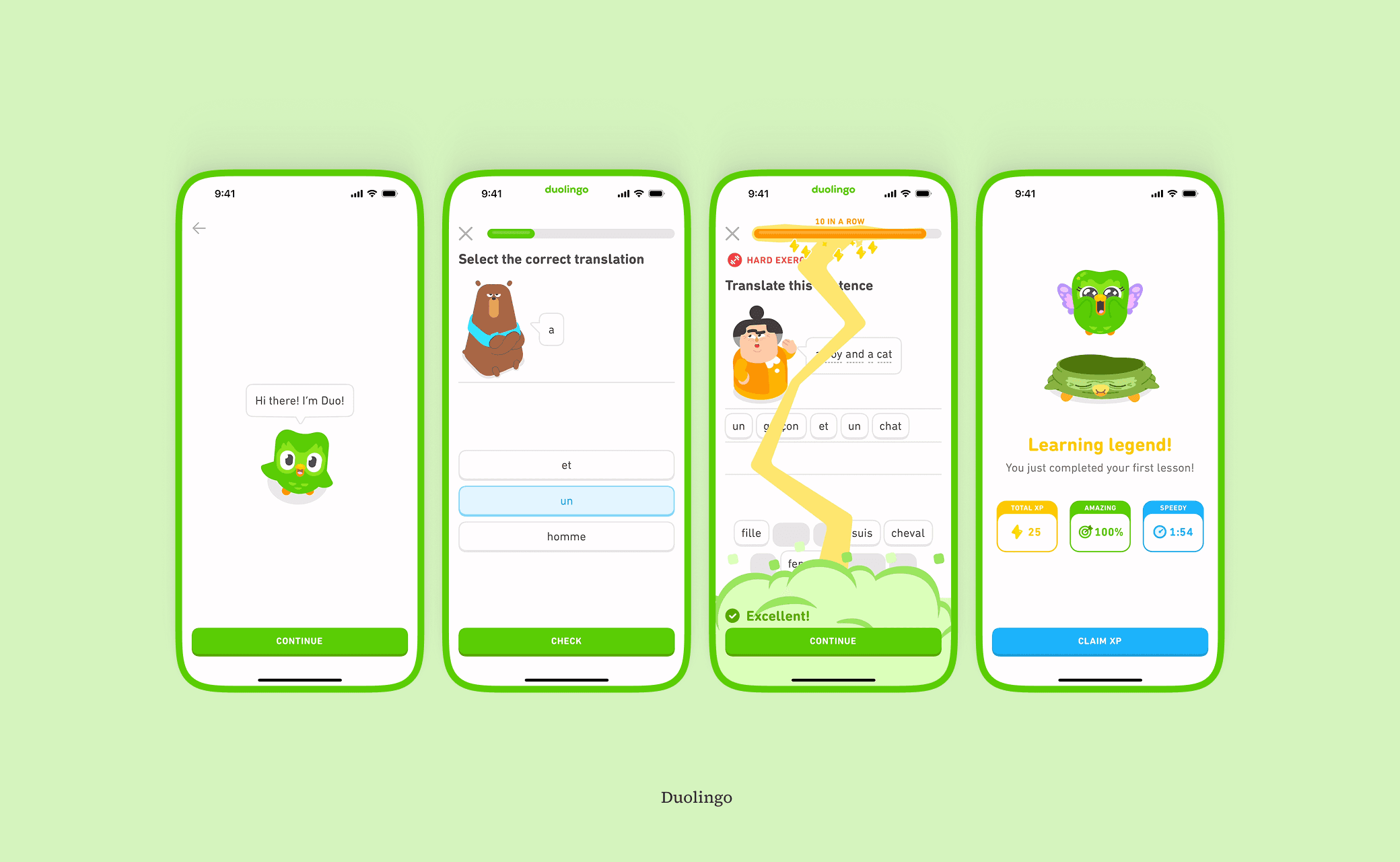
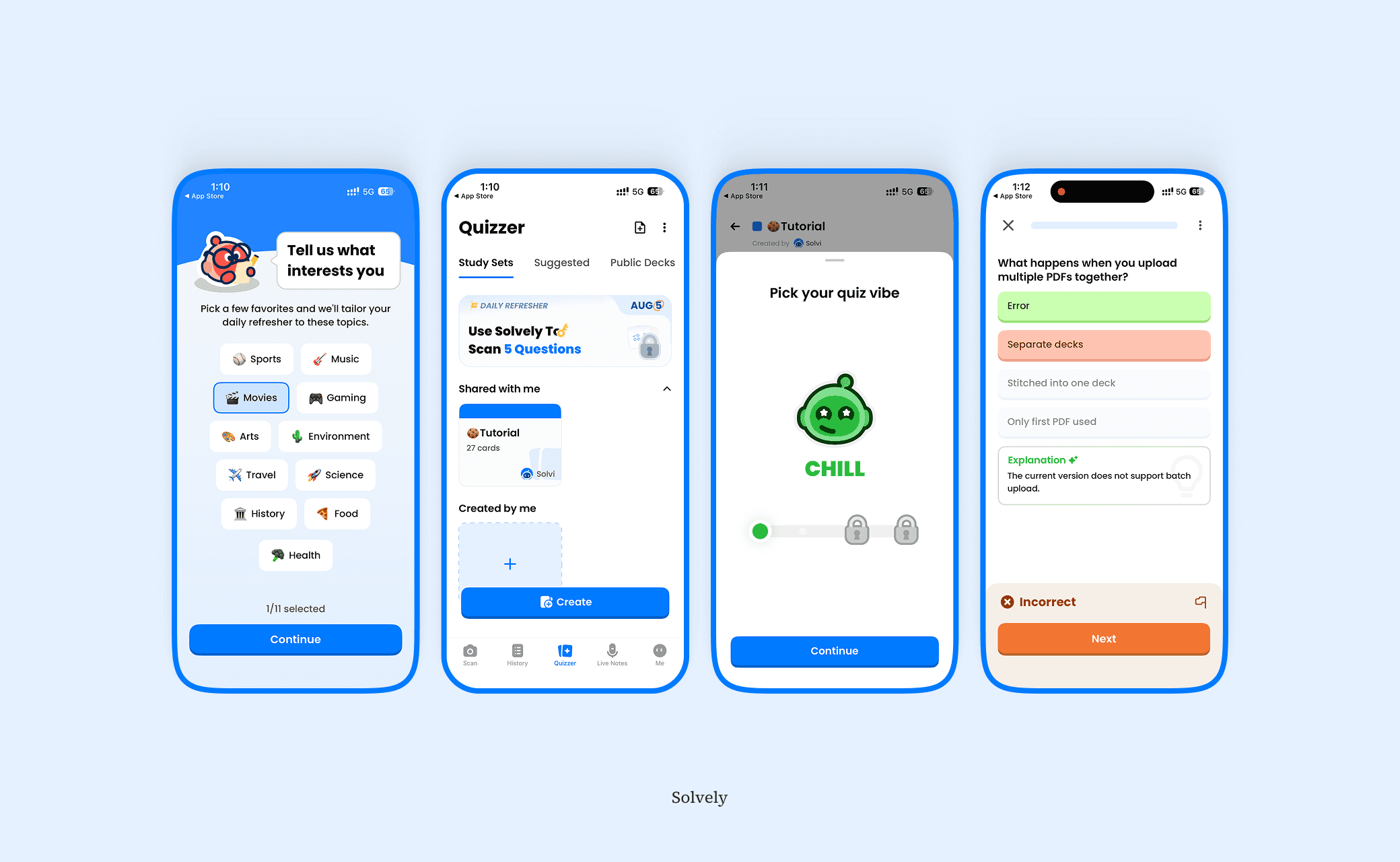
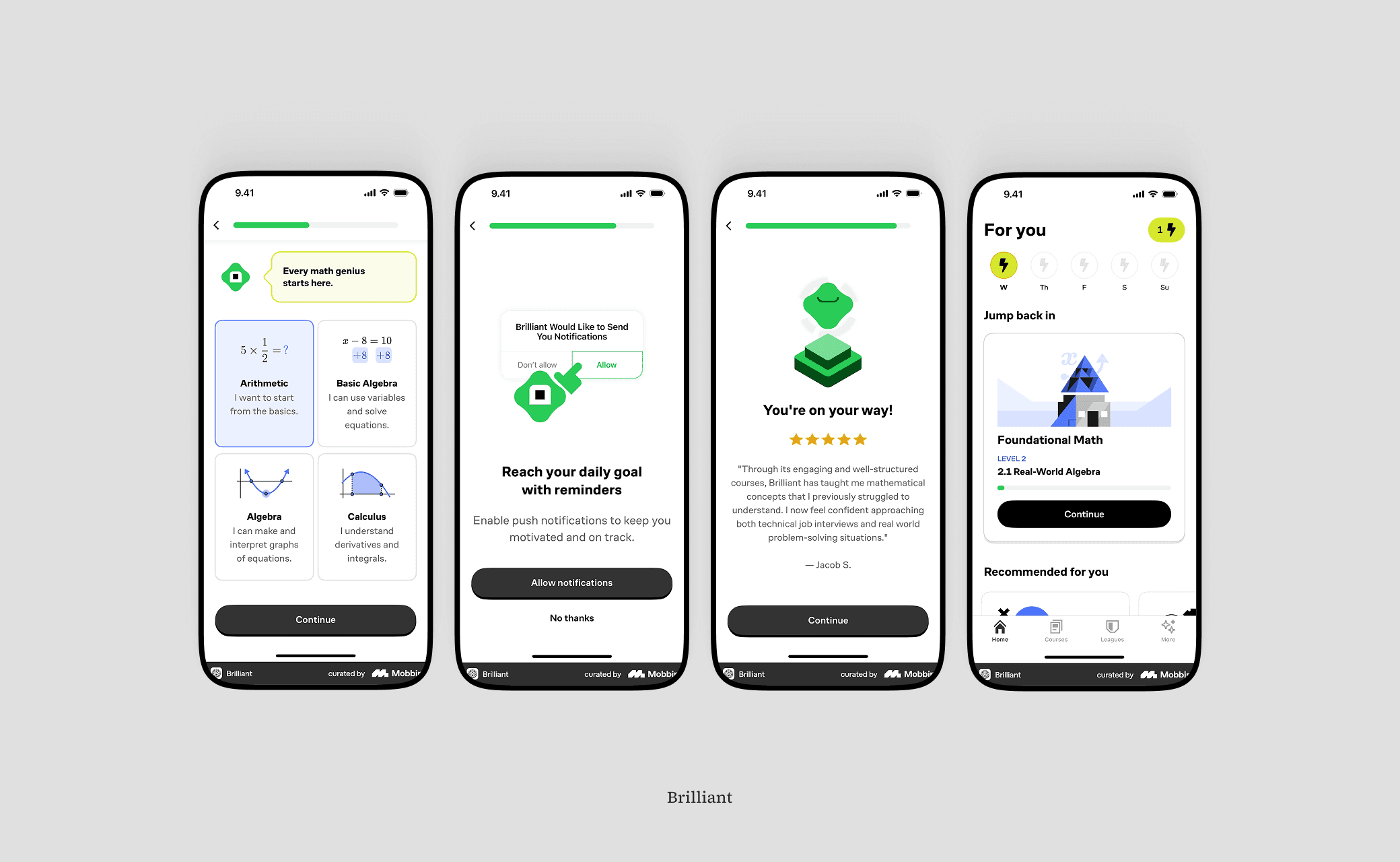
* Competitive analysis - Duolingo, Solvely, etc *
* Competitive analysis - Duolingo, Solvely, etc *
Hypothesis &
Risks
Hypothesis &
Risks
Hypothesis 1: Allowing students to create quizzes from their own study content will significantly increase engagement and retention.
Hypothesis 1: Allowing students to create quizzes from their own study content will significantly increase engagement and retention.
Hypothesis 2: Allowing students to create quizzes from their own study content will make it easy for students who are not paid users to try our AI tools.
Hypothesis 2: Allowing students to create quizzes from their own study content will make it easy for students who are not paid users to try our AI tools.
Hypothesis 3: It will lead to students creating quizzes from their own study content, regardless of location, curriculum and their preparation. Which will impact retention.
Hypothesis 3: It will lead to students creating quizzes from their own study content, regardless of location, curriculum and their preparation. Which will impact retention.
Risks: Latency delay will lead to low retention and drop off.
If not tailored to the user, it will lead to low engagement
Risks: Latency delay will lead to low retention and drop off. If not tailored to the user, it will lead to low engagement
The solution
The solution
Concepts
explored
Concepts explored
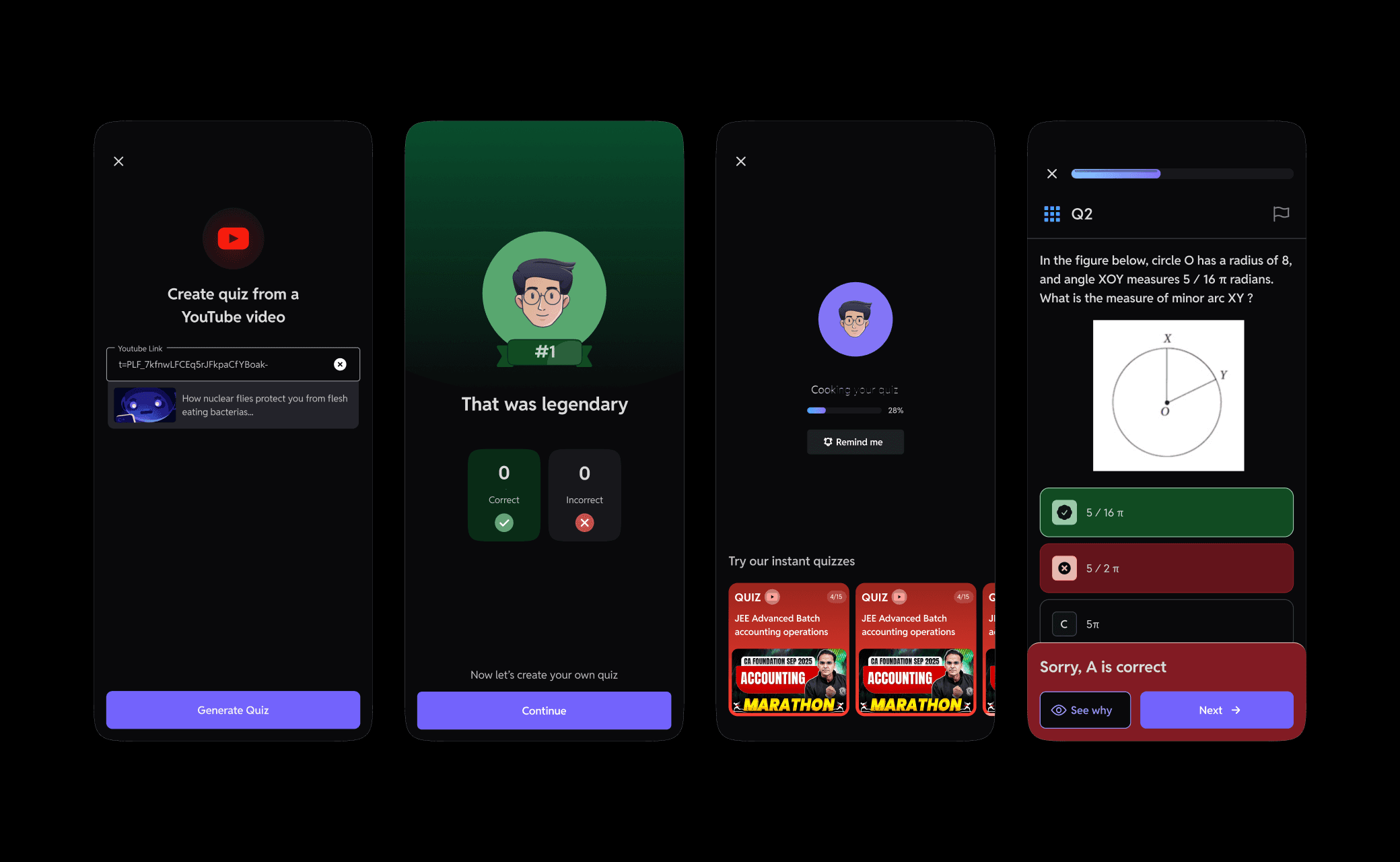
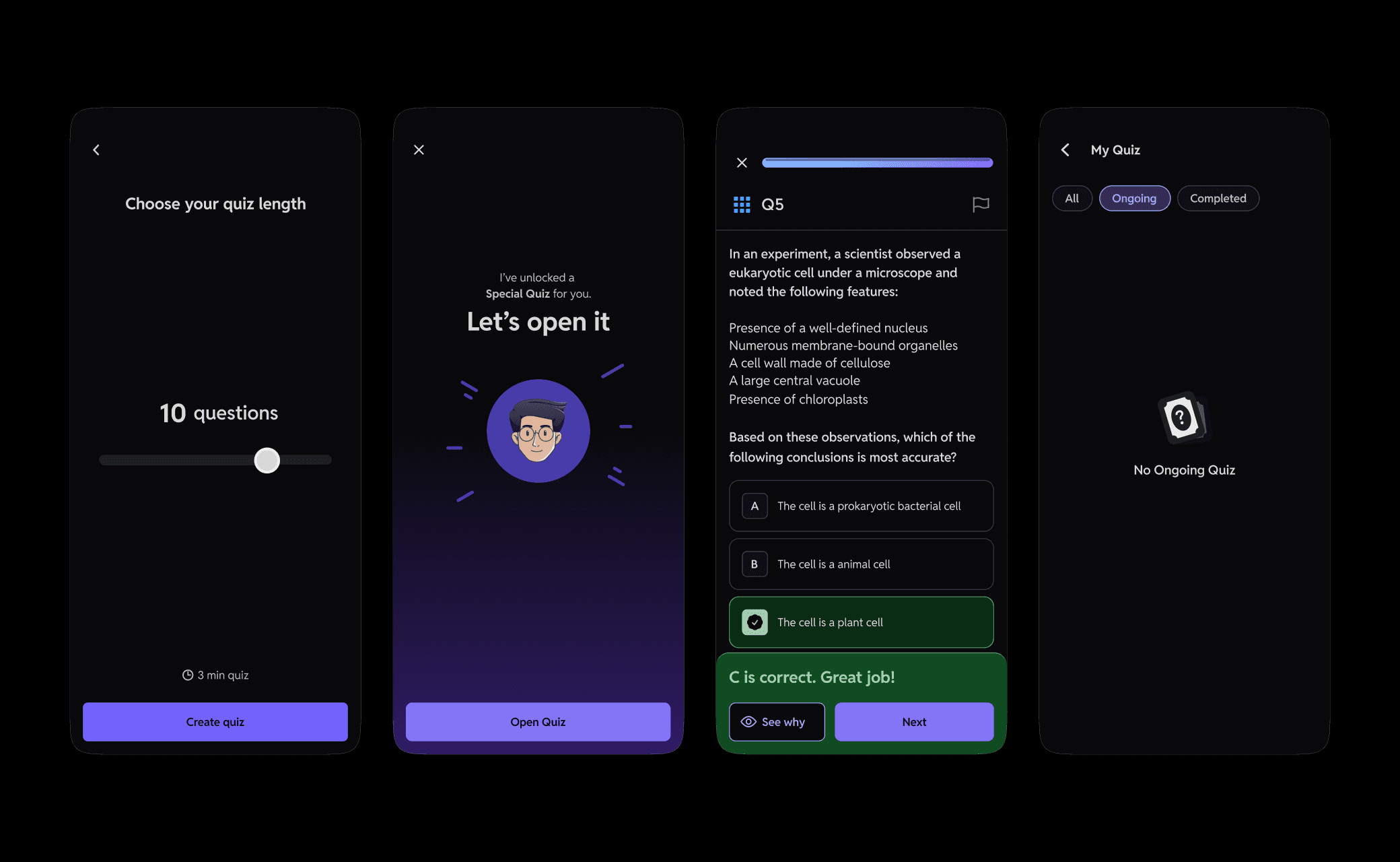
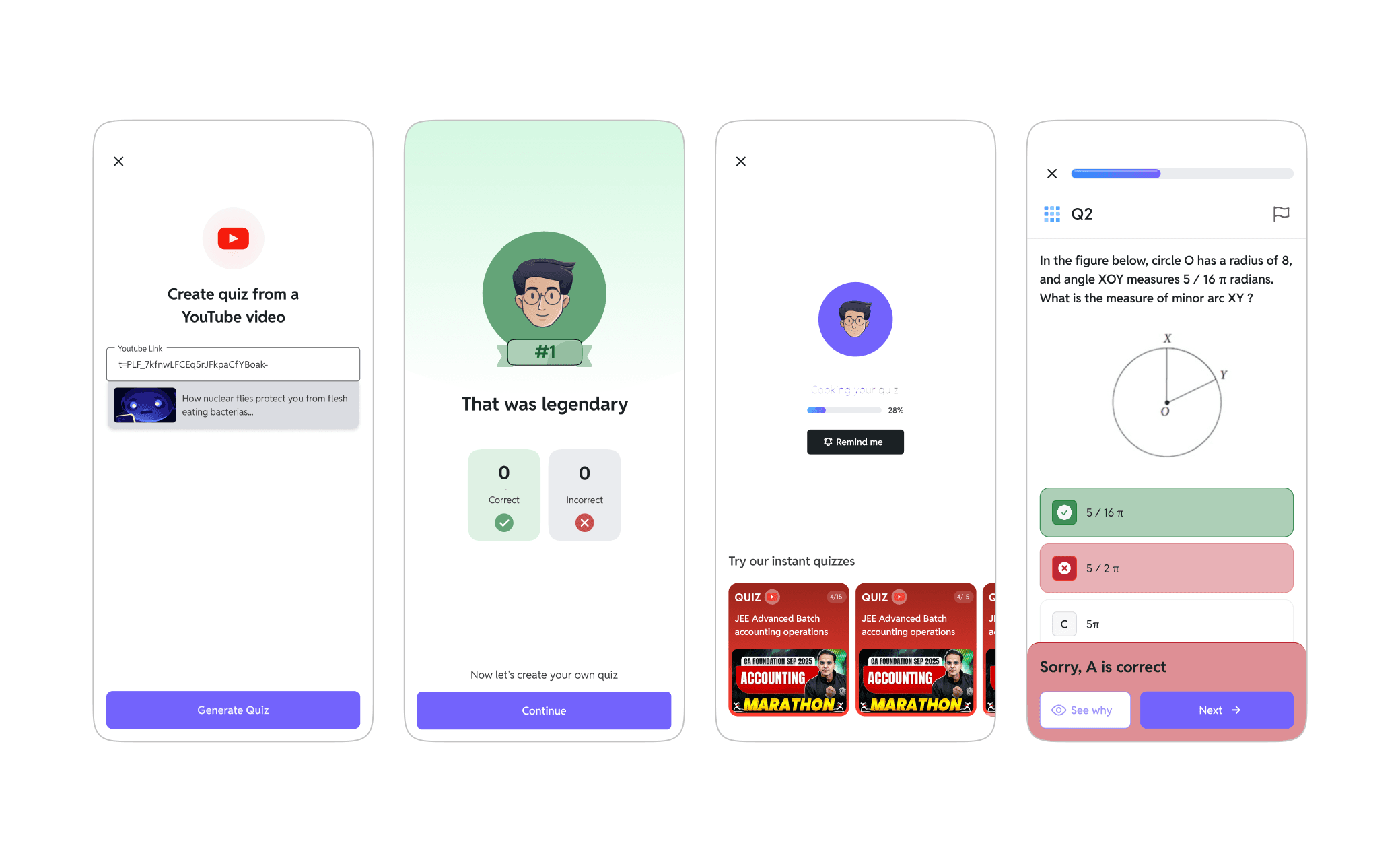
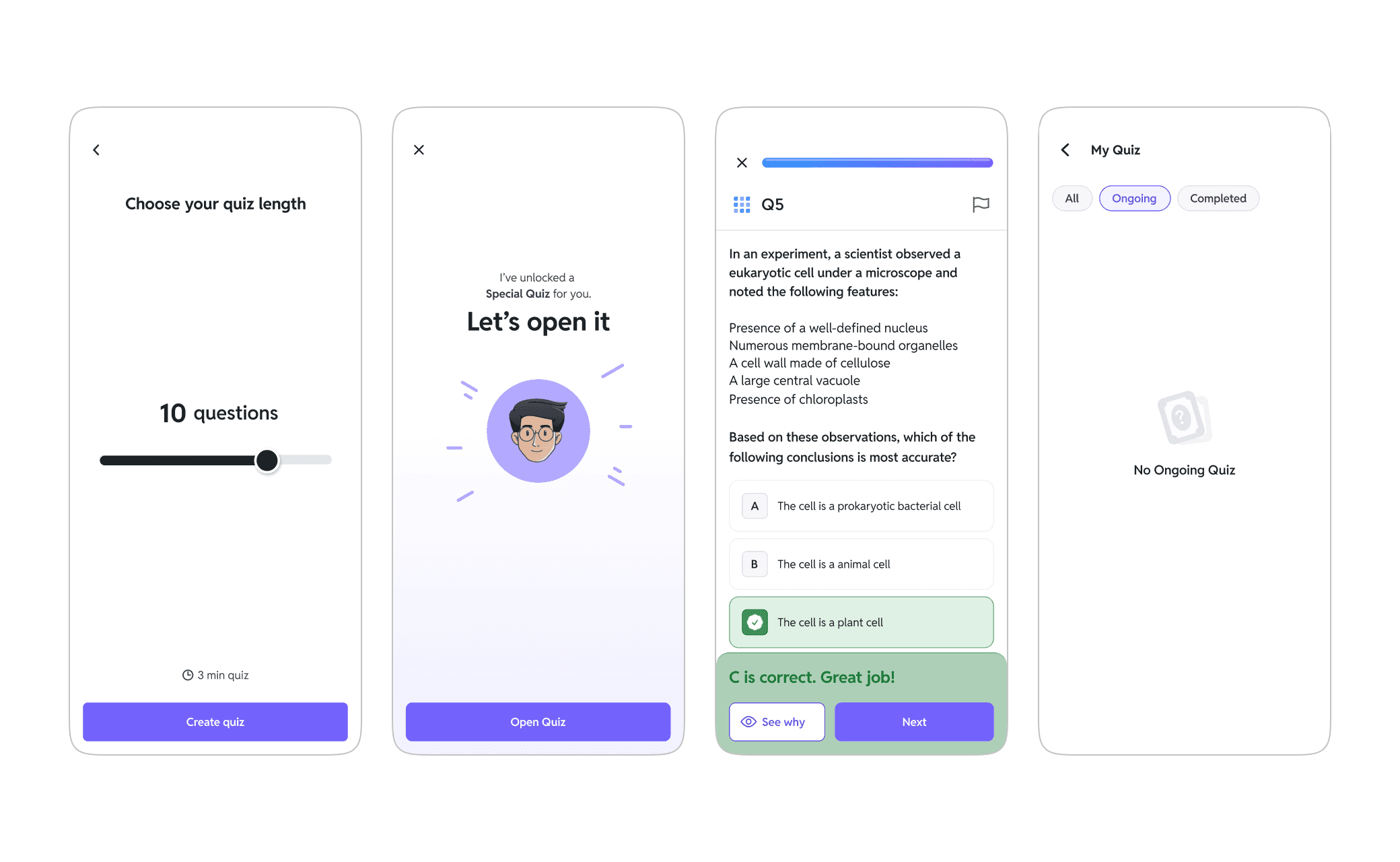
I explored multiple conceps for both the first-time user experience and for friction reduction each optimizing for a different behavioural hooks.
There were 2 major experiences to solve for:
1. First time experience
2. Reducing Friction along with an Exit Strategy
I explored multiple conceps for both the first-time user experience and for friction reduction each optimizing for a different behavioural hooks.
There were 2 major experiences to solve for:
1. First time experience
2. Reducing Friction along with an Exit Strategy
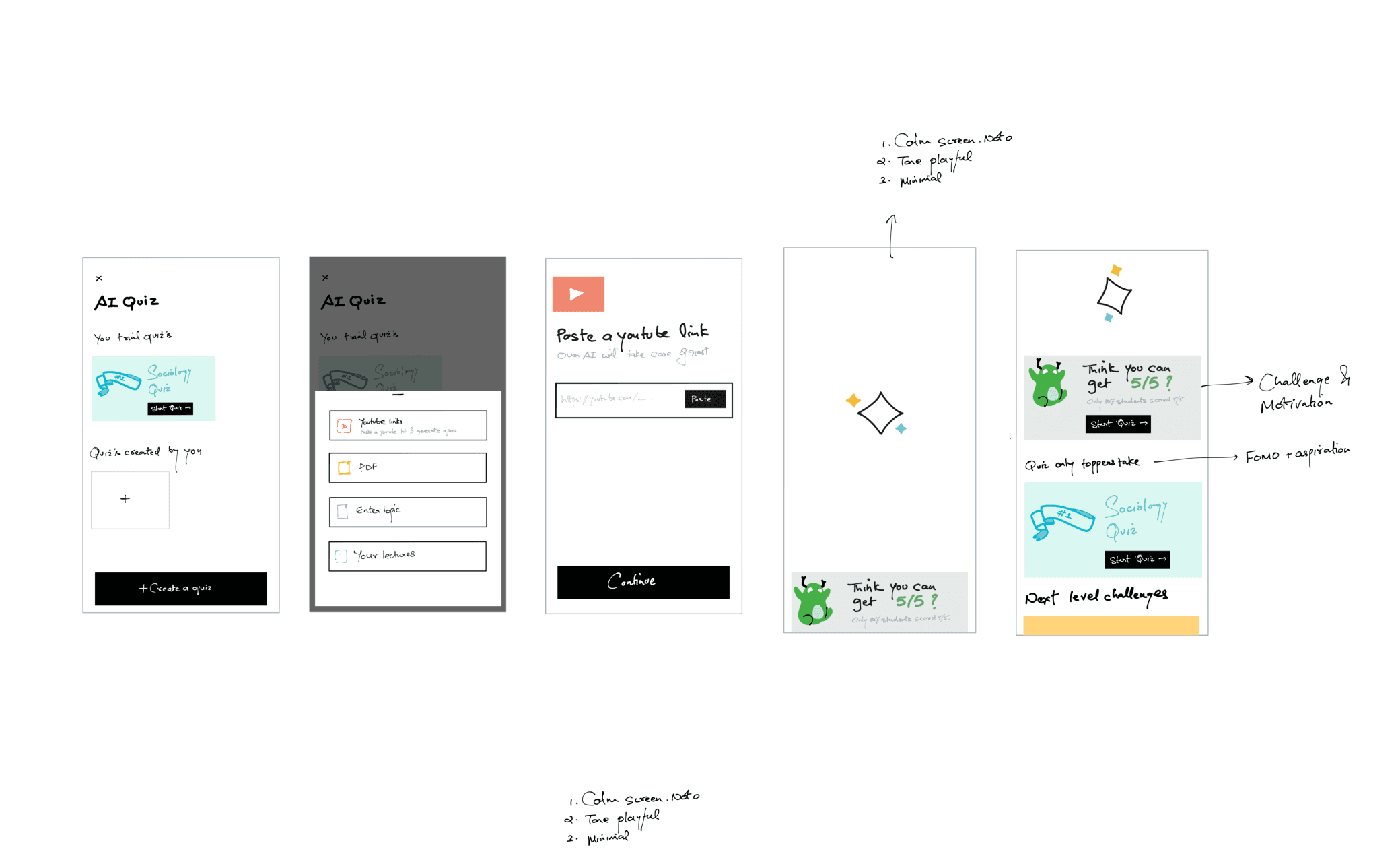
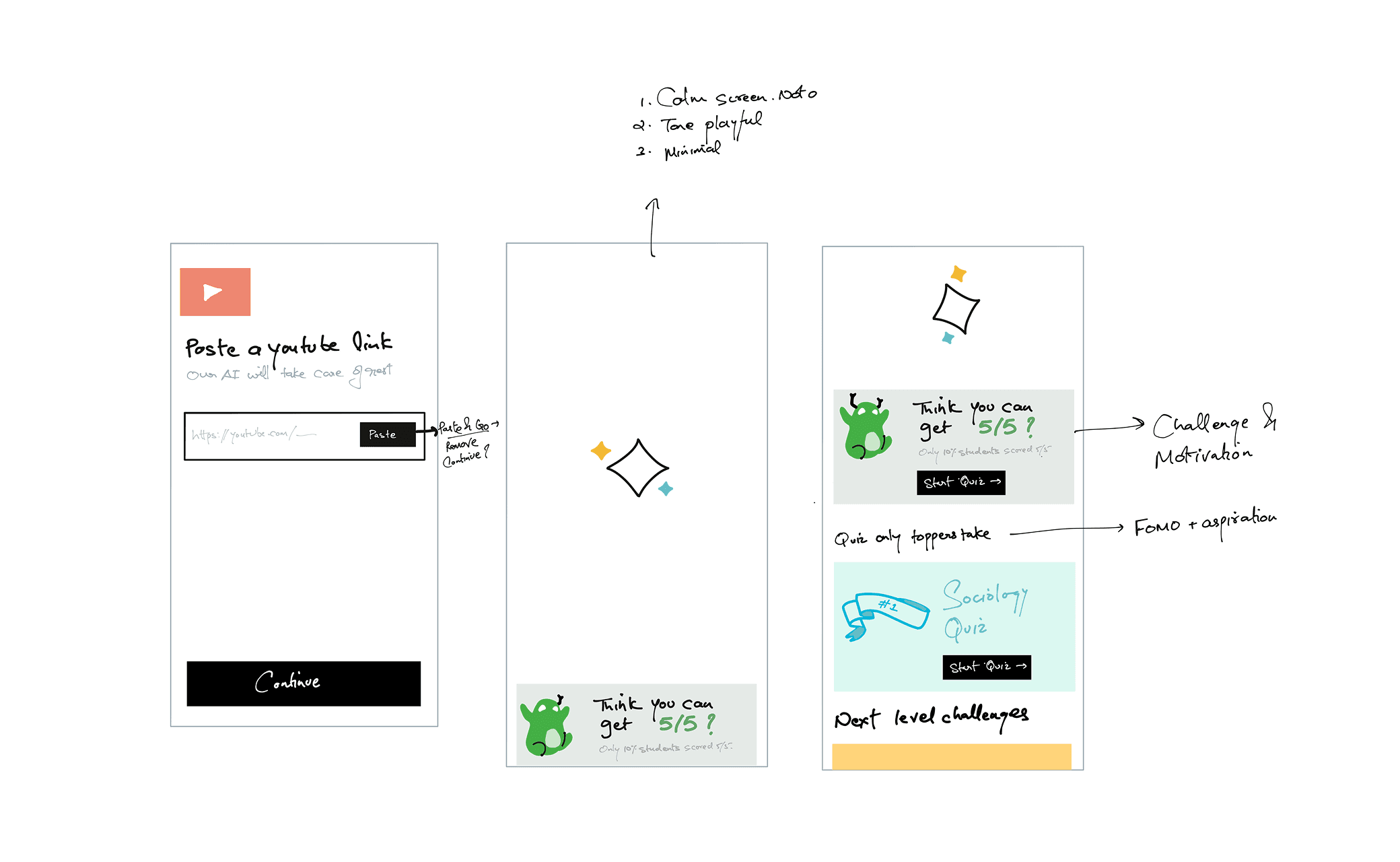
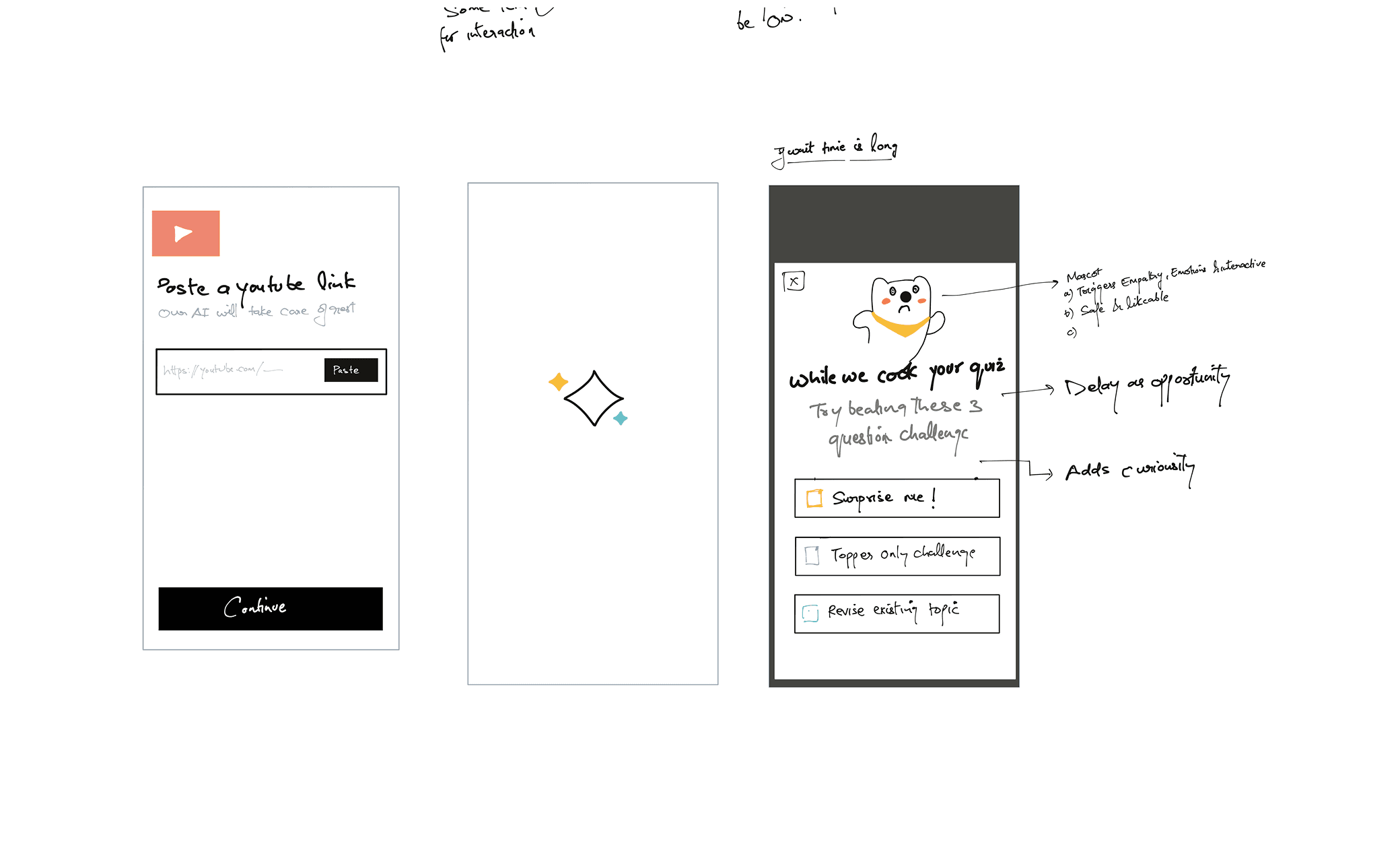
* First time experience- Concept Exploration *
* First time experience- Concept Exploration *
Decisions
The stakeholders wanted the best of each concept, so I designed the final concept keeping in mind:
1. Emotionally safe entry point.
Quiz with Easy Wins- for "I did it" moment
Achievement → Exploration
Calm Latency Screen
Subtle feature education, and
Proper exit strategy
The stakeholders wanted the best of each concept, so I designed the final concept keeping in mind:
1. Emotionally safe entry point.
Quiz with Easy Wins- for "I did it" moment
Achievement → Exploration
Calm Latency Screen
Subtle feature education, and
Proper exit strategy