Referral
Redesigned Yulu’s referral system to drive acquisition and engagement: a tracking dashboard, a tiered reward program and gamified competition. The result: 3× referrals and engagement up from 7% to 22%.
Yulu · 2024
Yulualreadygrewbywordofmouth,butreferralshadnorealhomeintheapp.Ishippeditintwophases:firstanEarningsdashboardtotrackandre-initiatereferrals,thenagamifiedlayer(aleaderboardandatieredrewardprogram)toturnsharingintoagame.Referralstripled,thereferralchannel’sshareofnewusersjumpedfrom7%to22%,andCACdropped20%.
- Role
- Product Design
- Year
- 2024
- Product Manager
- Kriti Sharma
- Engineering
- Milind Kumar · Mayur
What is it?
Yulu’s referral system is a growth program designed to drive both acquisition and engagement, expanding the user base through trusted peer recommendation, and rewarding existing users with incentives that encourage long-term loyalty. A self-sustaining loop of growth and value.
The challenge
Yulu’s focus on gig mobility had already created strong organic word-of-mouth growth, but we needed a simple, effective referral program to accelerate it. The aim: tiered referral benefits and a competitive leaderboard that increase engagement, simplify reward tracking, and amplify referrals as a key acquisition channel.
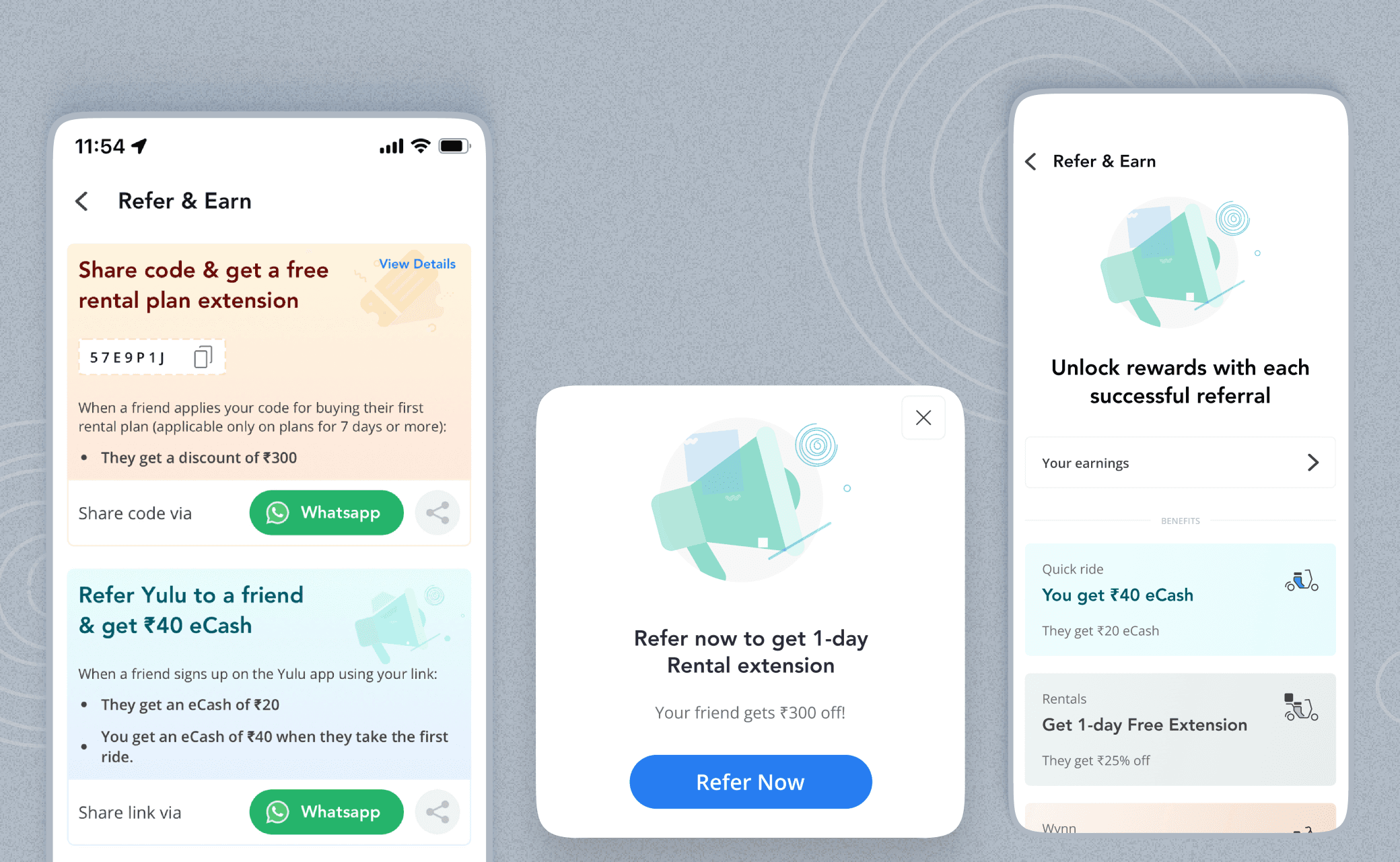
The referral system before the redesign.
The approach
A deliberately simple groundwork: invite a friend ⇝ friend signs up ⇝ you and your friend both receive a reward. The reward was Yulu eCash on each successful referral, plus a bonus on reaching a tier.
From there, the implementation aimed to scale referral into a feature that could move both revenue and acquisition.

Phase 1: A dashboard
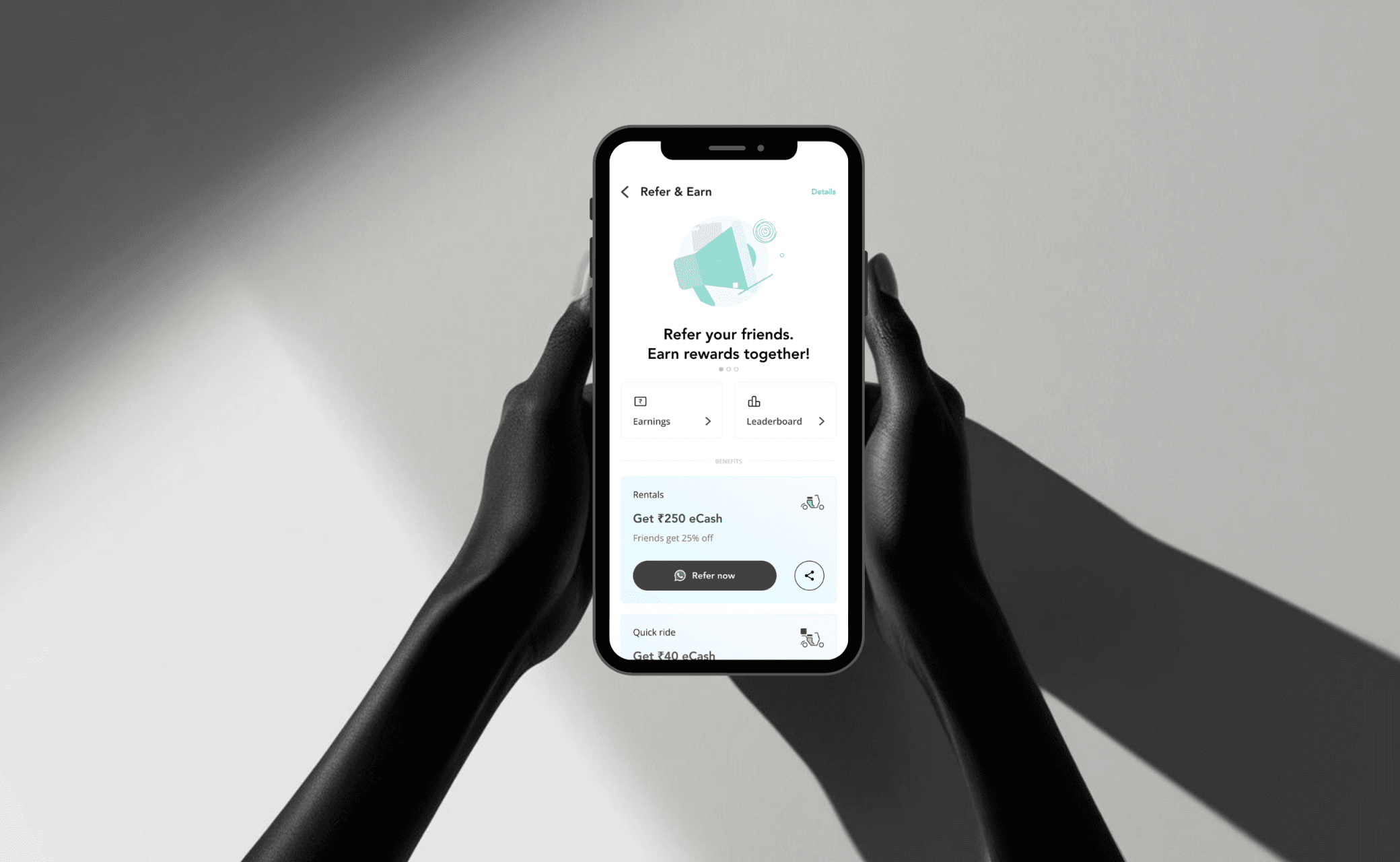
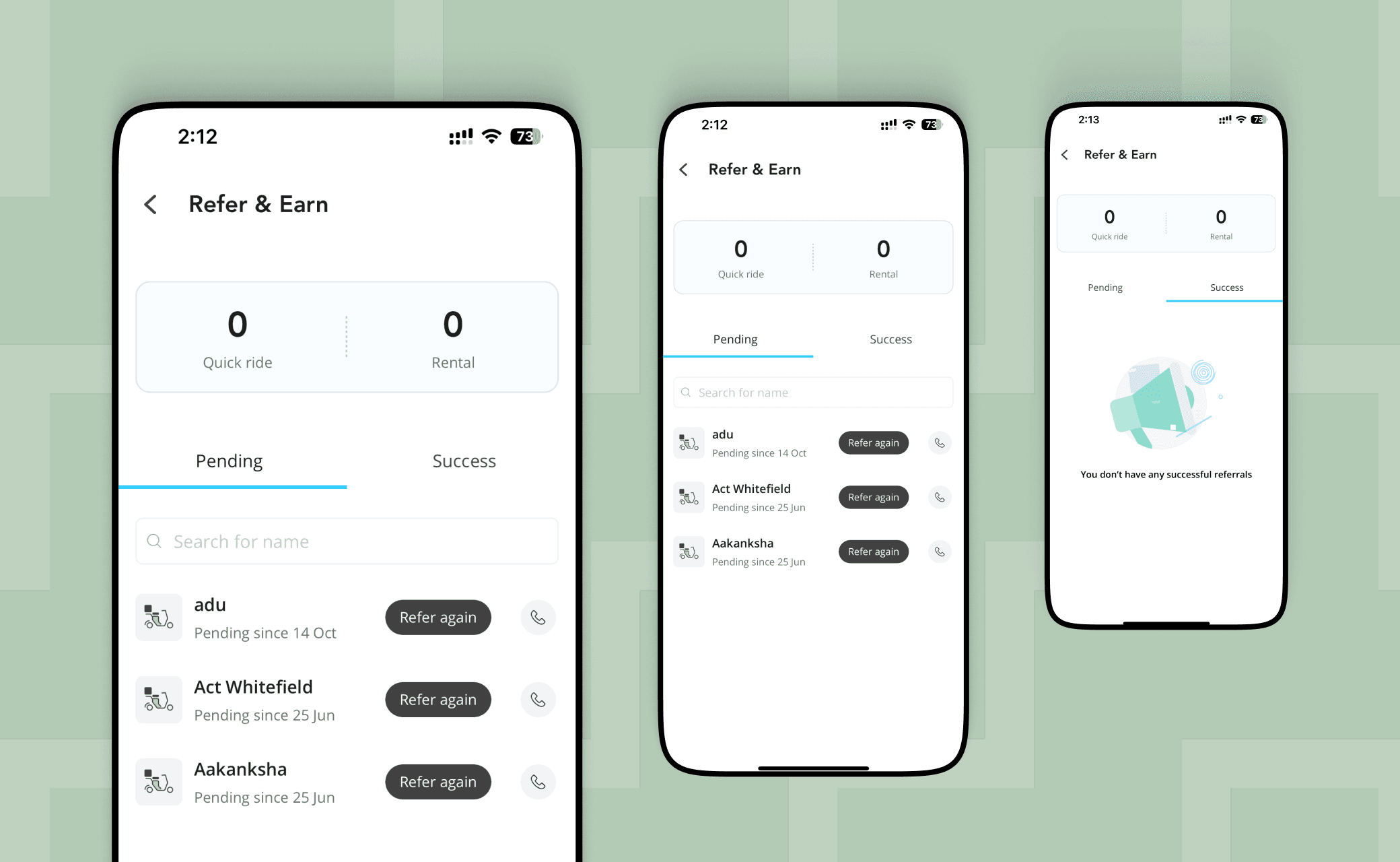
The first focus was a single view to track referral growth in one place. The new “Earnings” dashboard let users monitor both pending and successful referrals across service type (Quick Ride and Rentals), re-initiate with ease, and nudge friends who hadn’t finished the journey.
We simplified and sped up the process so taking part felt effortless, which drove more sharing.
Phase 2: Gamifying
Four or five months after Earnings launched, product wanted to push referrals further. The priority was to gamify, with two features:
- Boost engagement with a competitive leaderboard that highlights top referrers.
- Increase the share of referrals with a tiered reward program.
- Improve the visibility and accessibility of the referral program within the app.
The goals
- Increase user engagement with the referral program.
- Increase referral-based user acquisition.
- Lift the share of successful referrers from 10.5% to 15%.
- Grow the referral channel’s share from 10.5% to 25%.
The process
I stand for simplicity, empathy and experimentation, values that align with Yulu’s design philosophy. I began with data, competitive analysis and hypotheses with their risks, then moved into iterative design and critique before testing for feasibility, validating with users, and handing off.
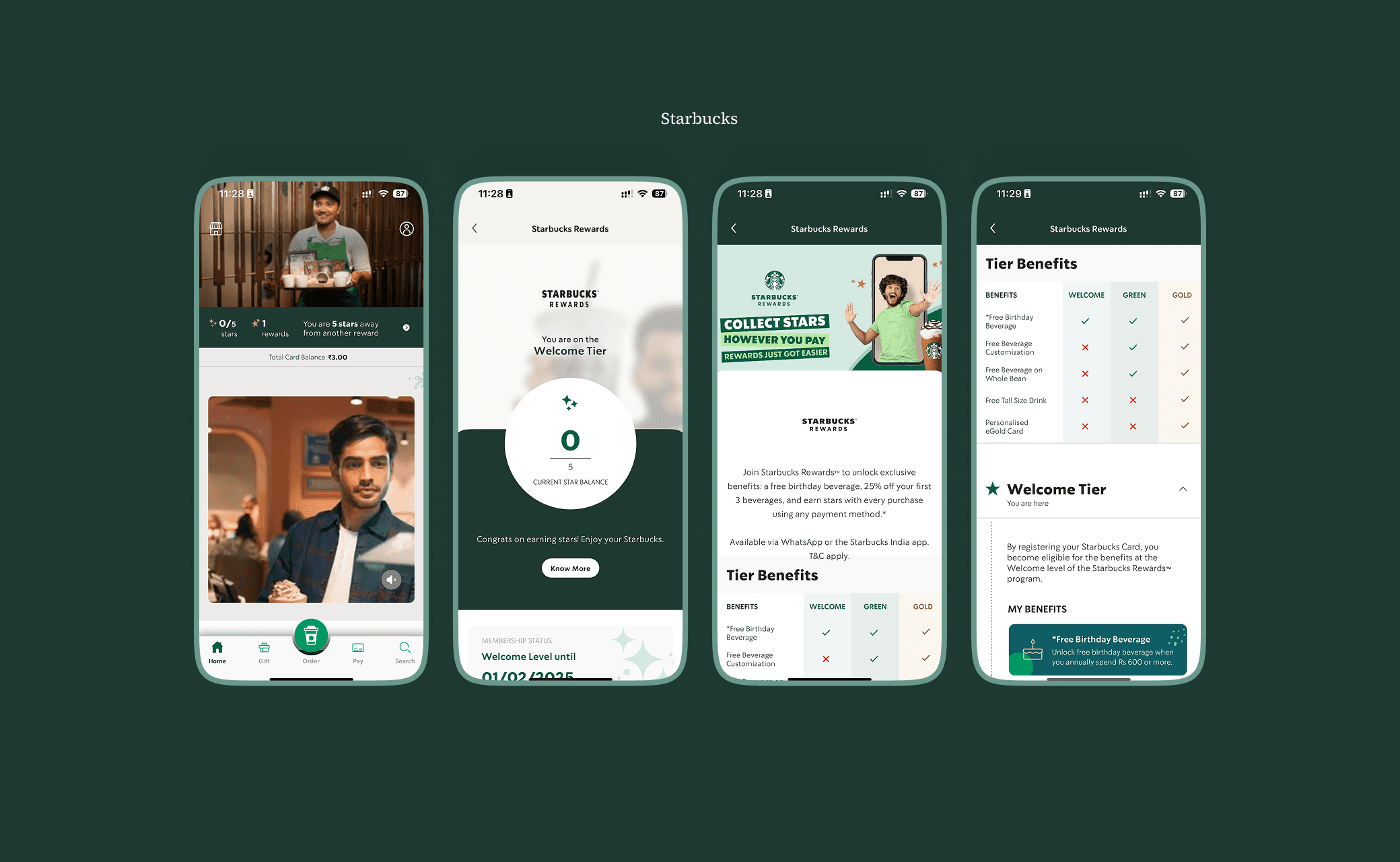
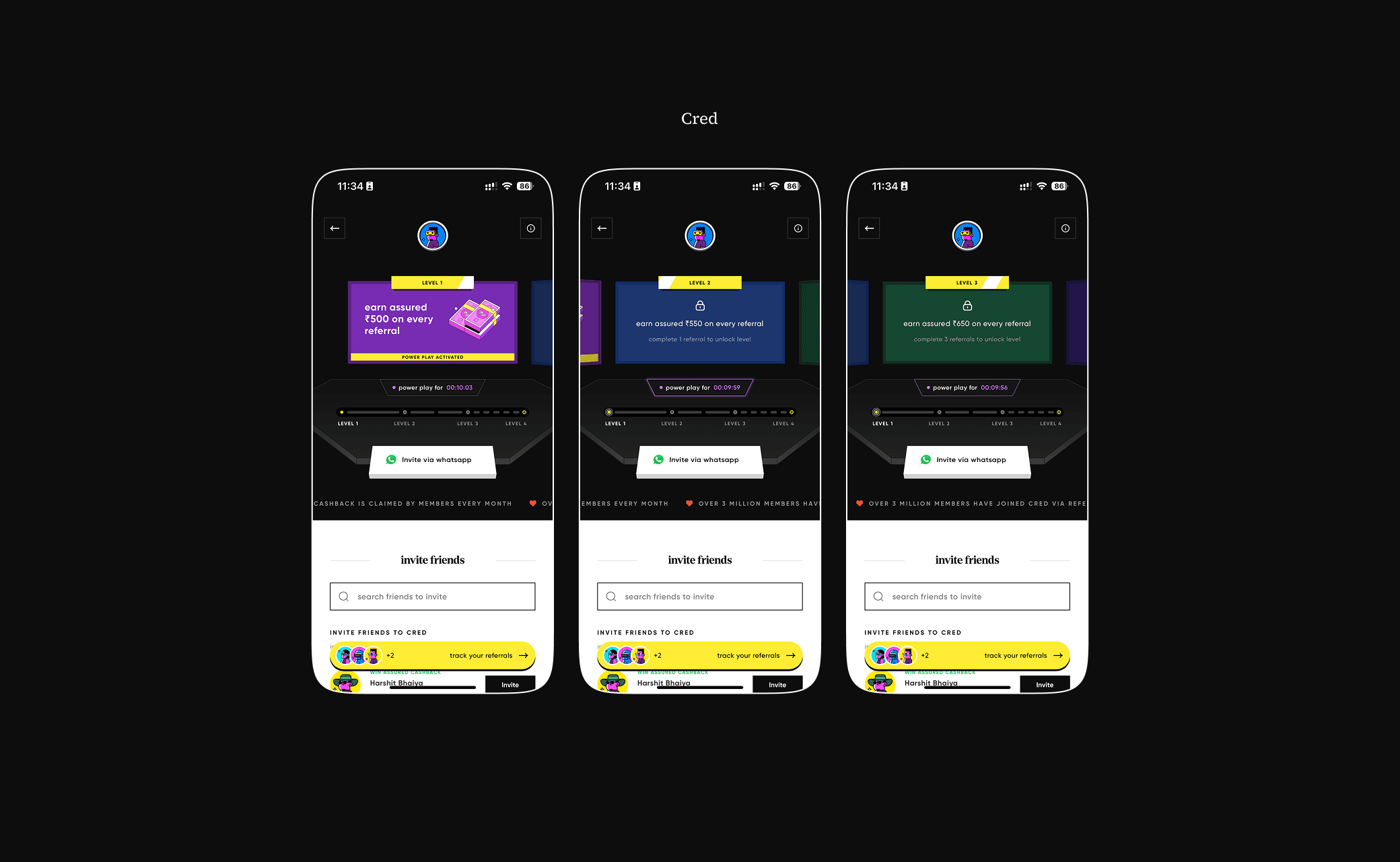
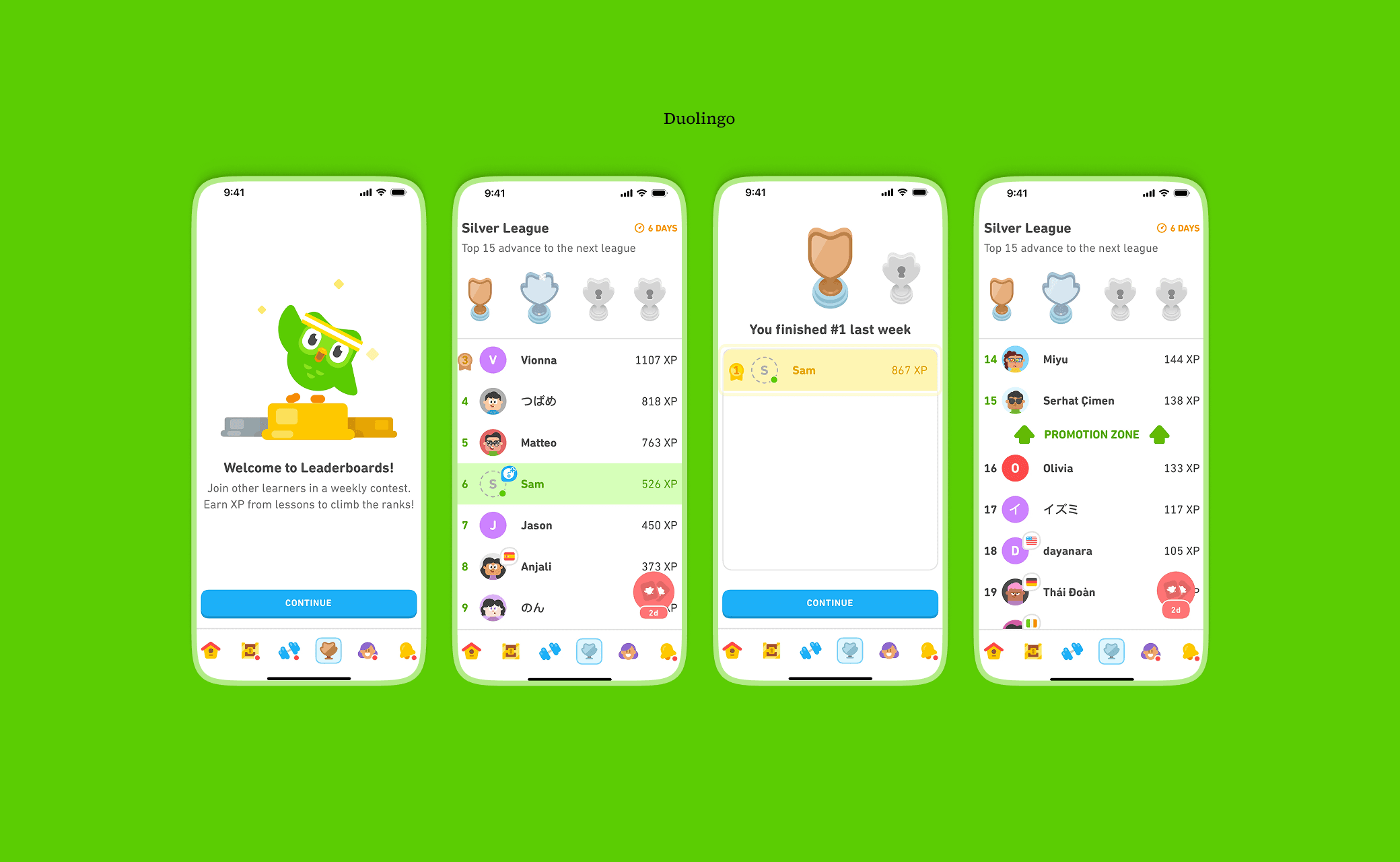
Competitive analysis.
Decisions
A few things every iteration earned its way toward:
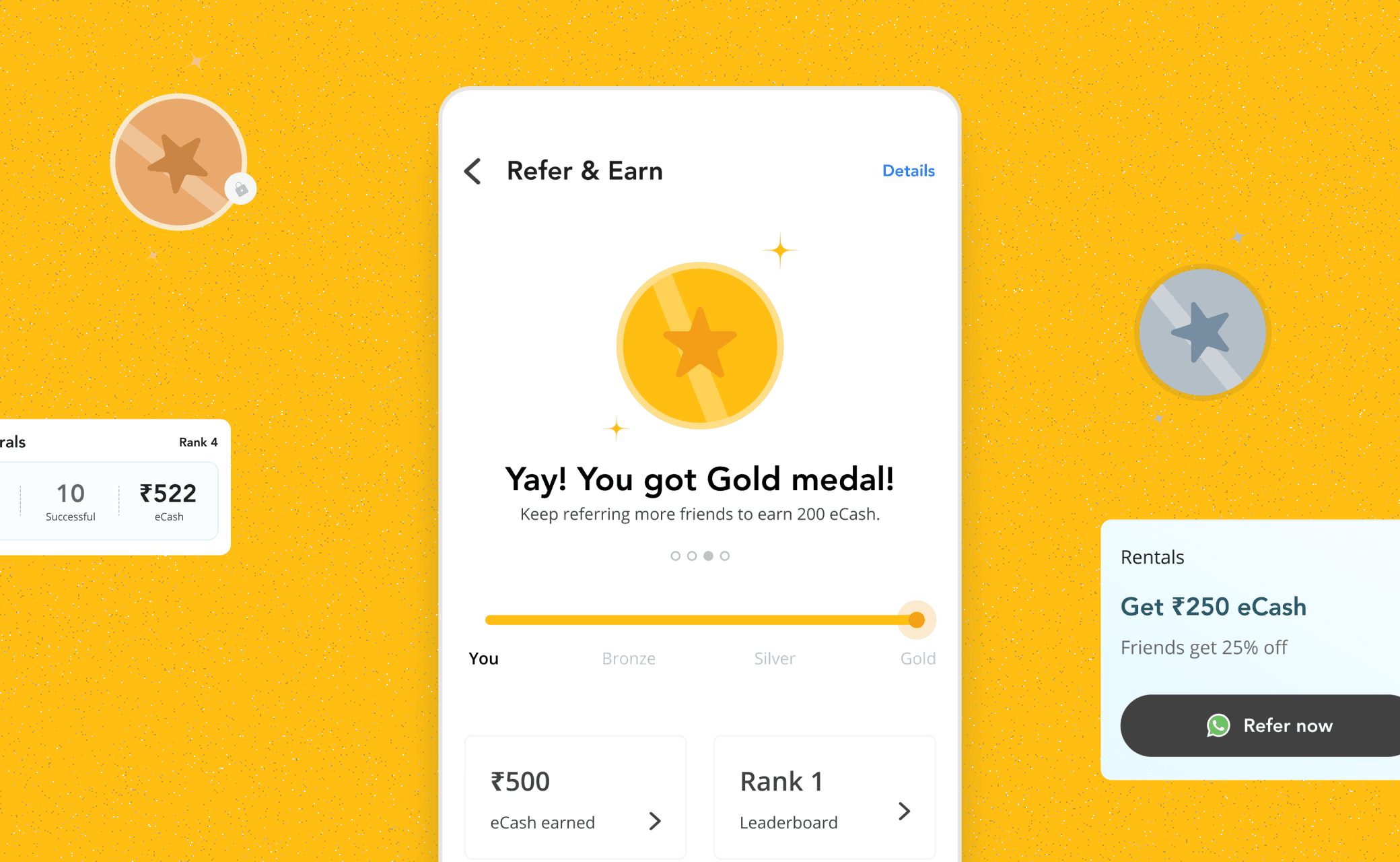
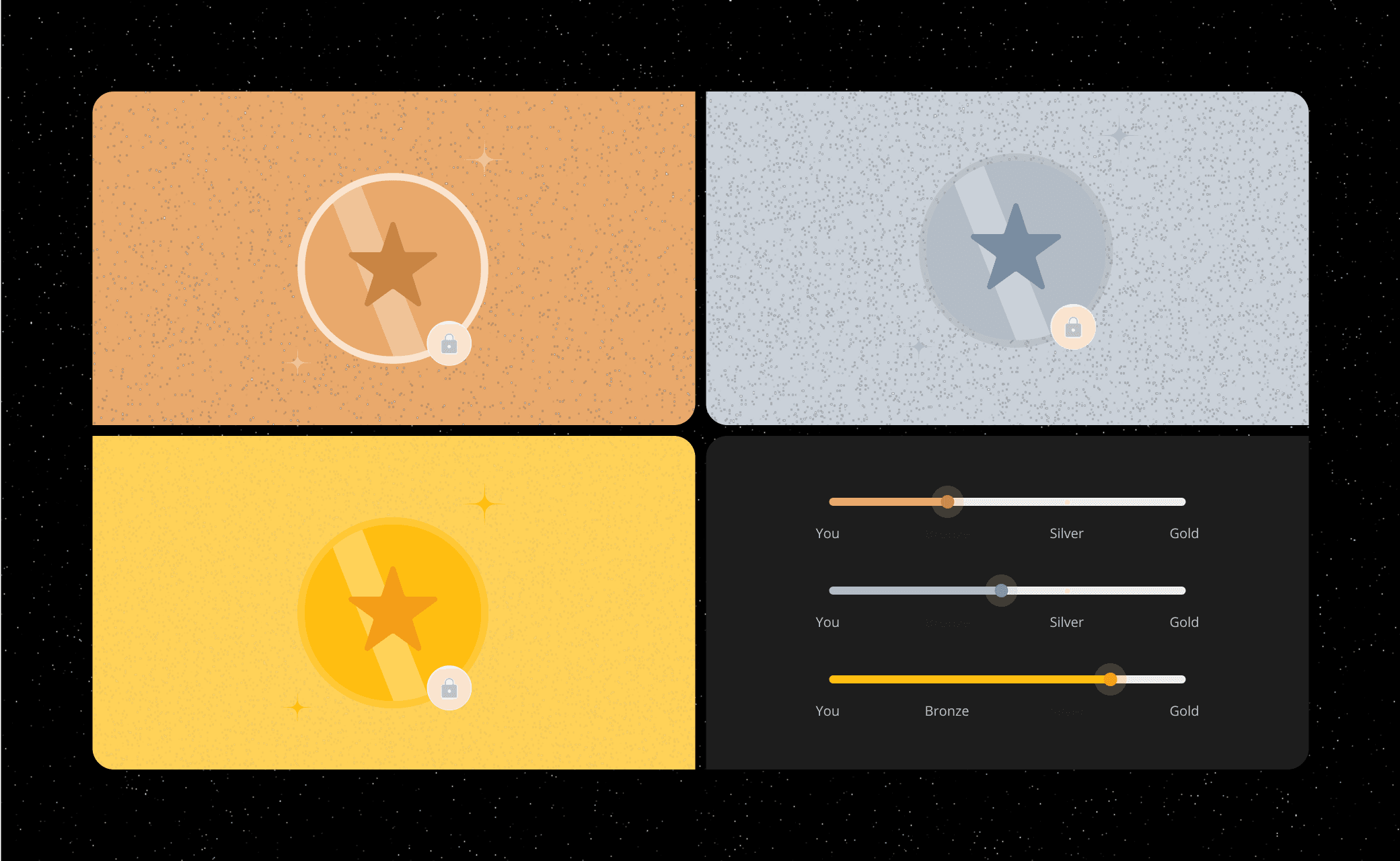
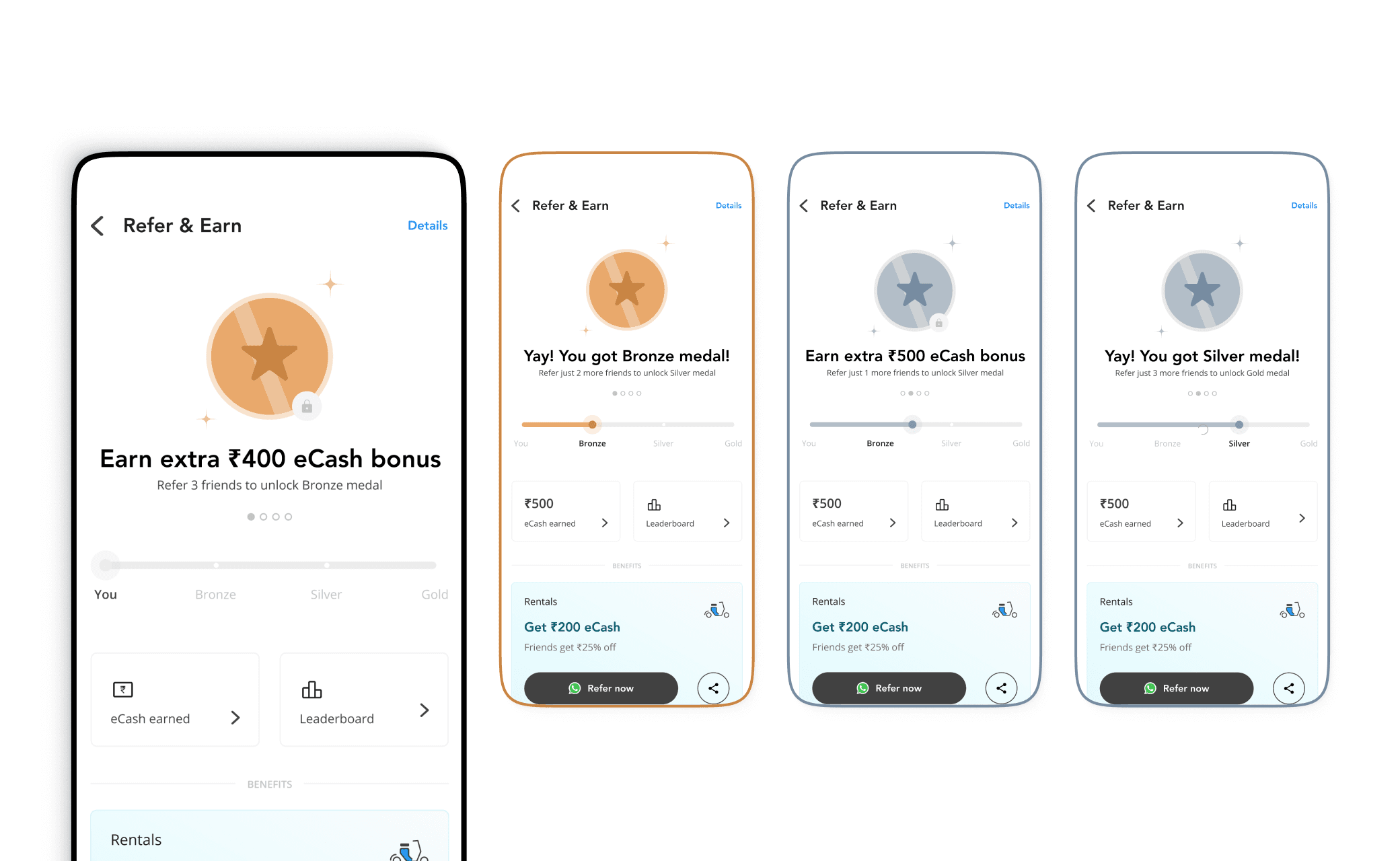
- A progress bar showing the user’s current tier, for a sense of achievement.
- Subtext telling users how much more they needed to unlock the next reward.
- A hero section featuring the coin, reinforcing the idea of earning.
- A focus on eCash bonuses, the thing that grabbed attention and drove motivation.
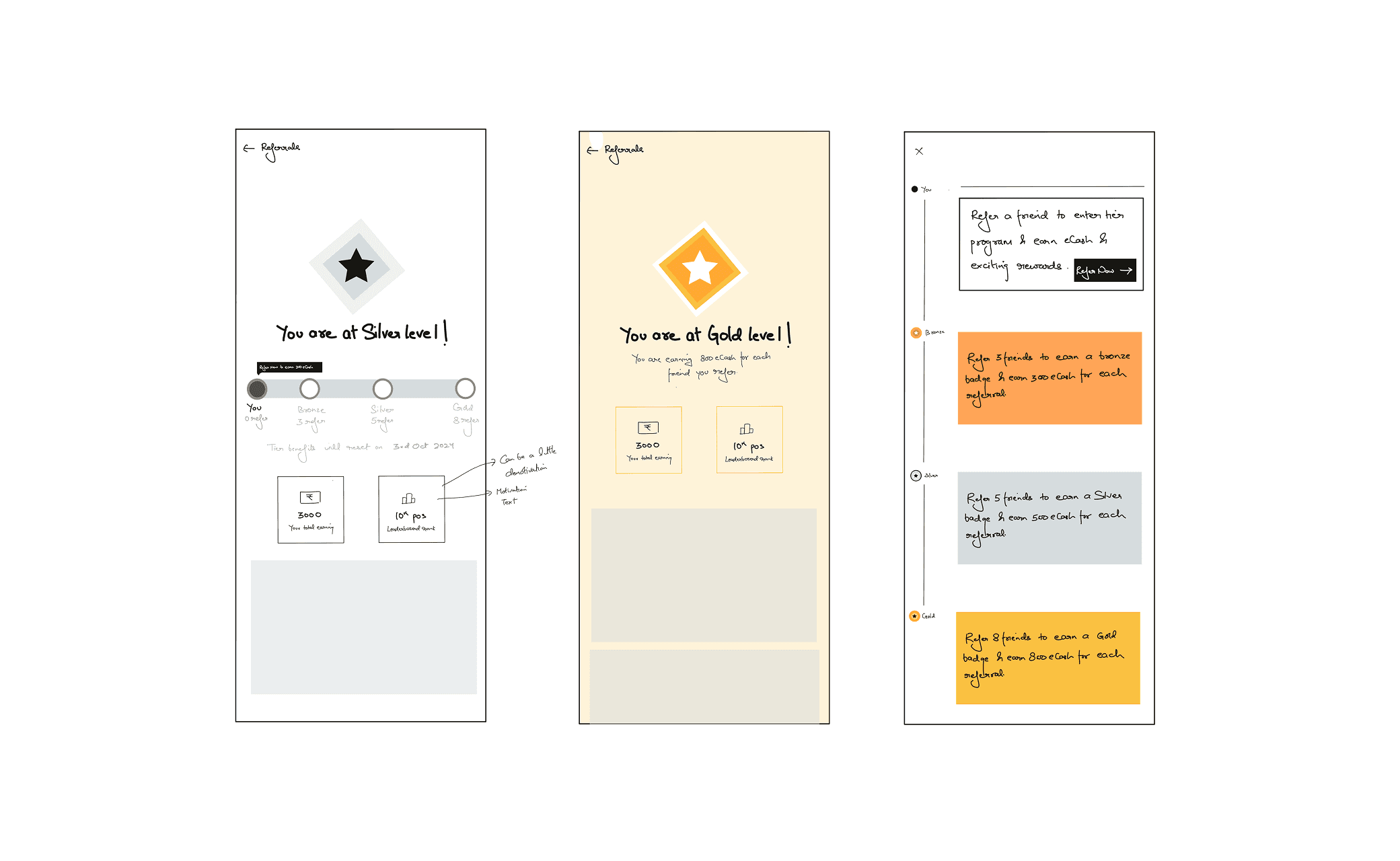
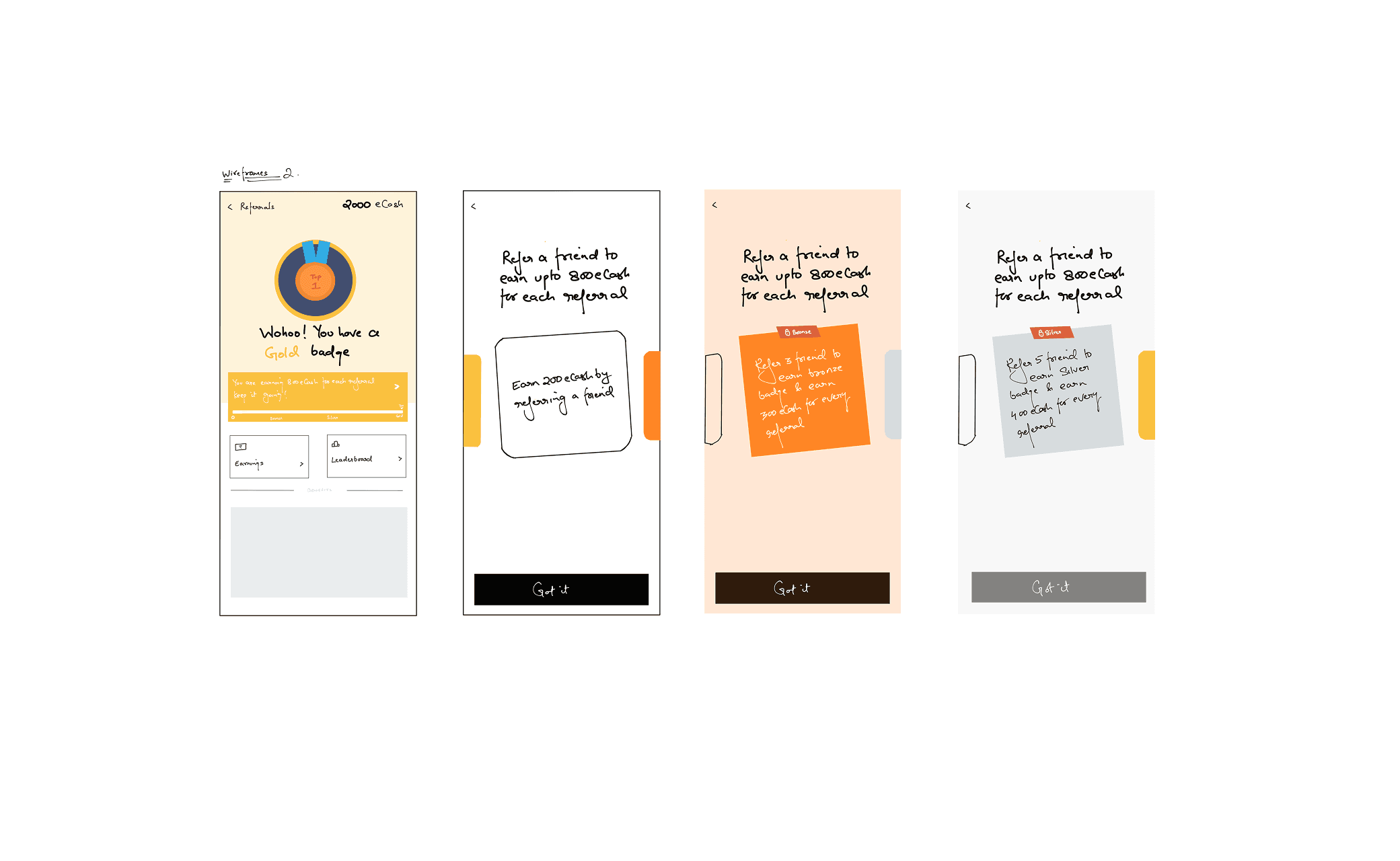
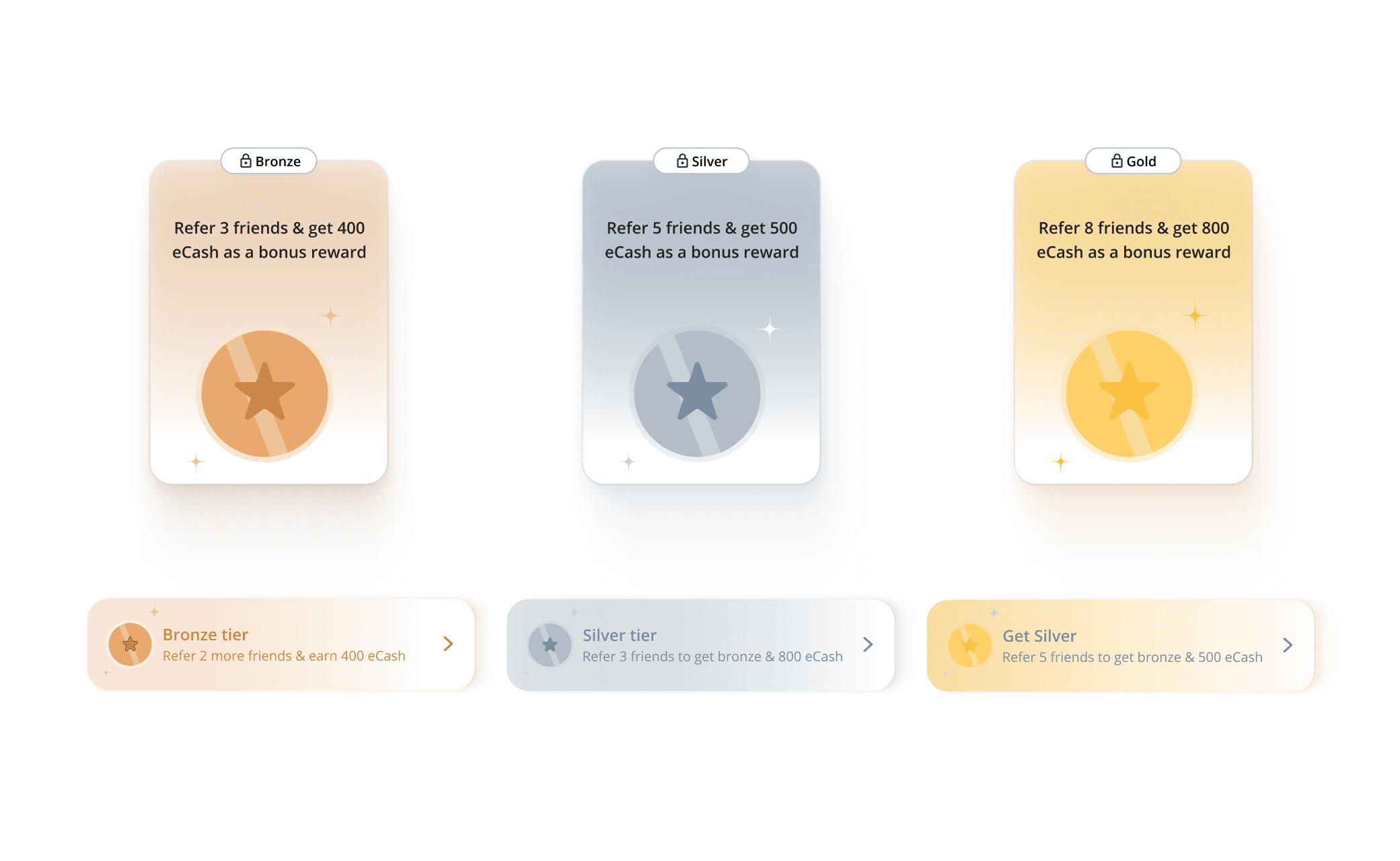
Wireframes and tier-card explorations.
Final design
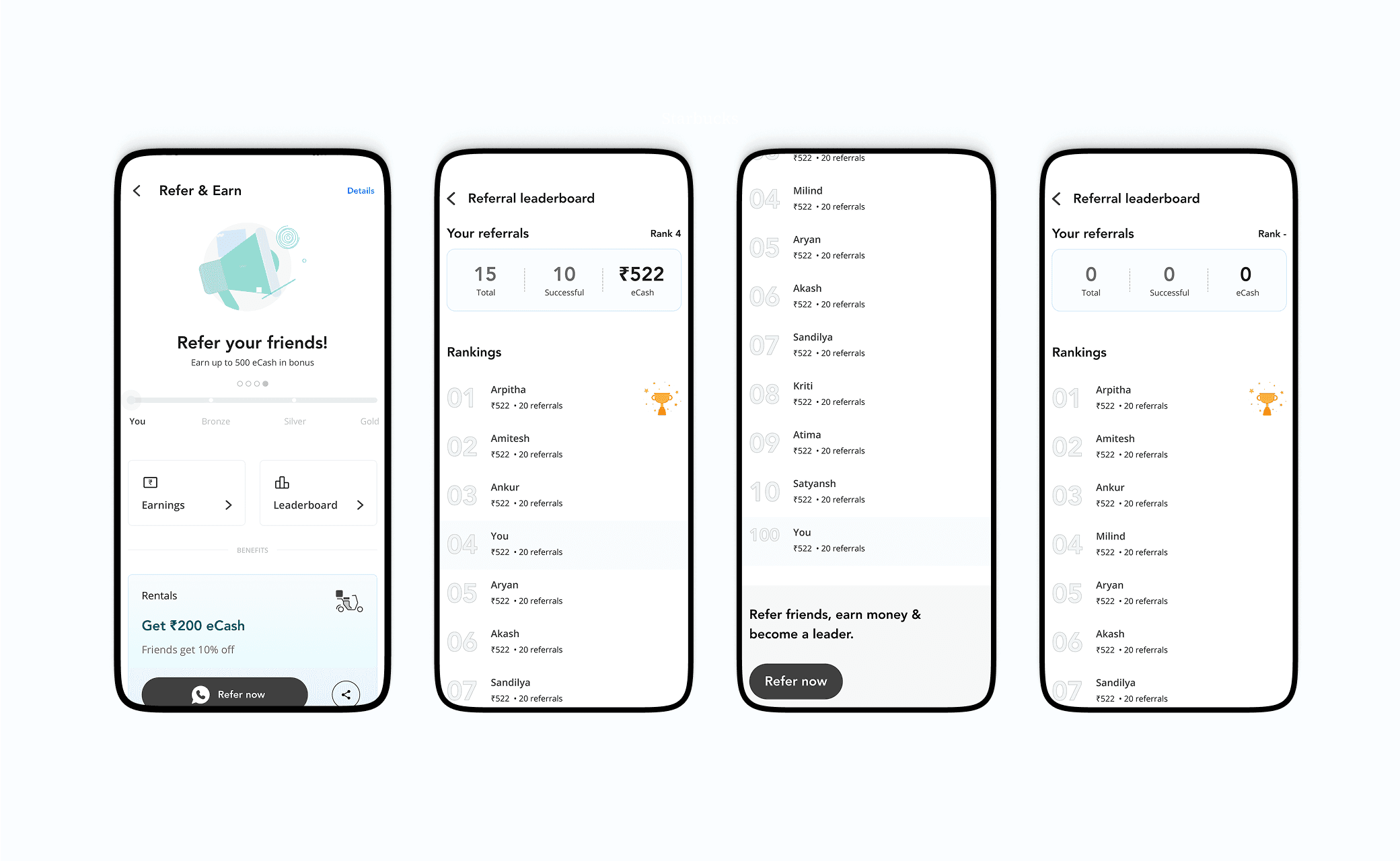
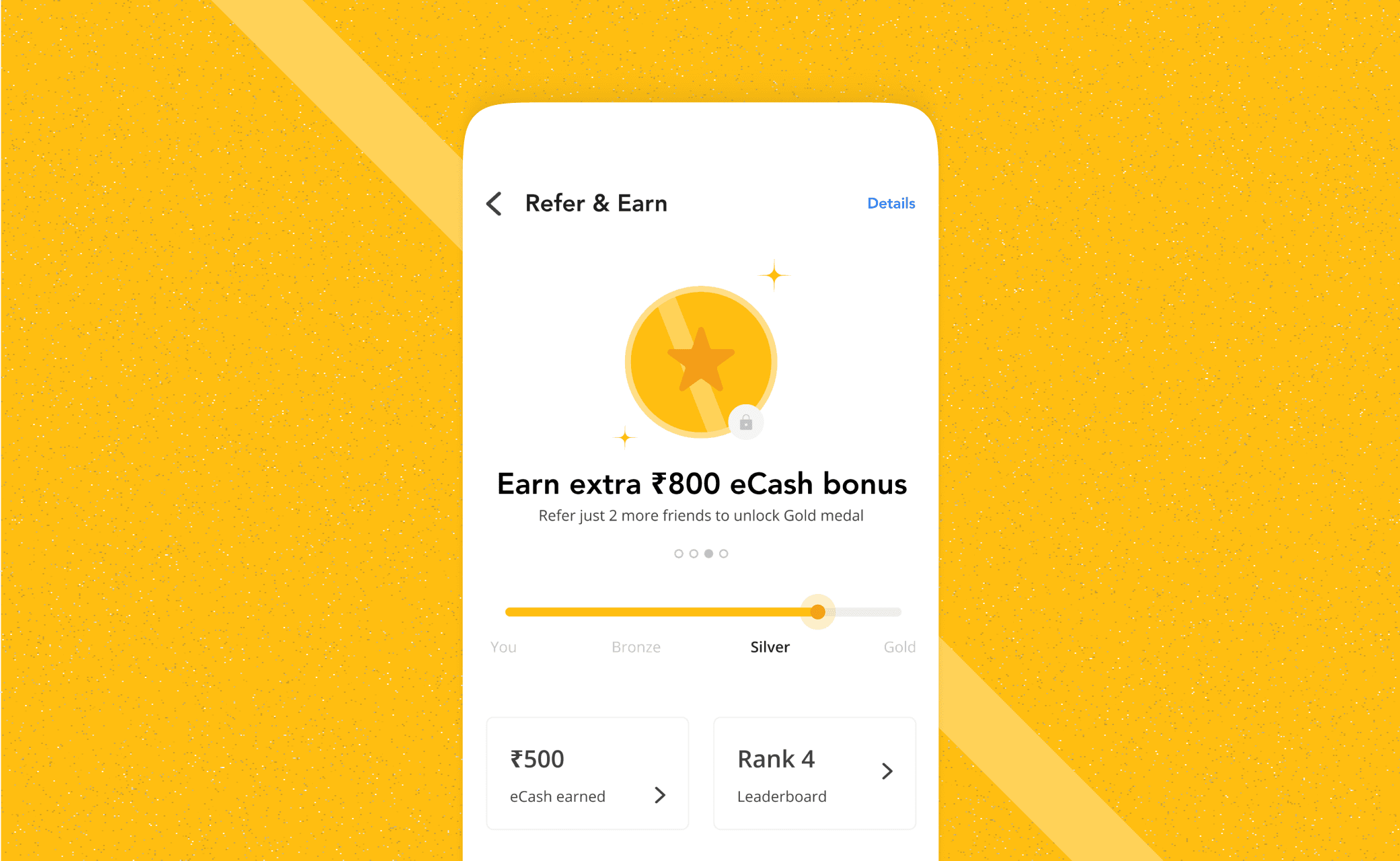
Impact
We expected gamification to lift the qualitative experience, but good design should move business outcomes too. It did.
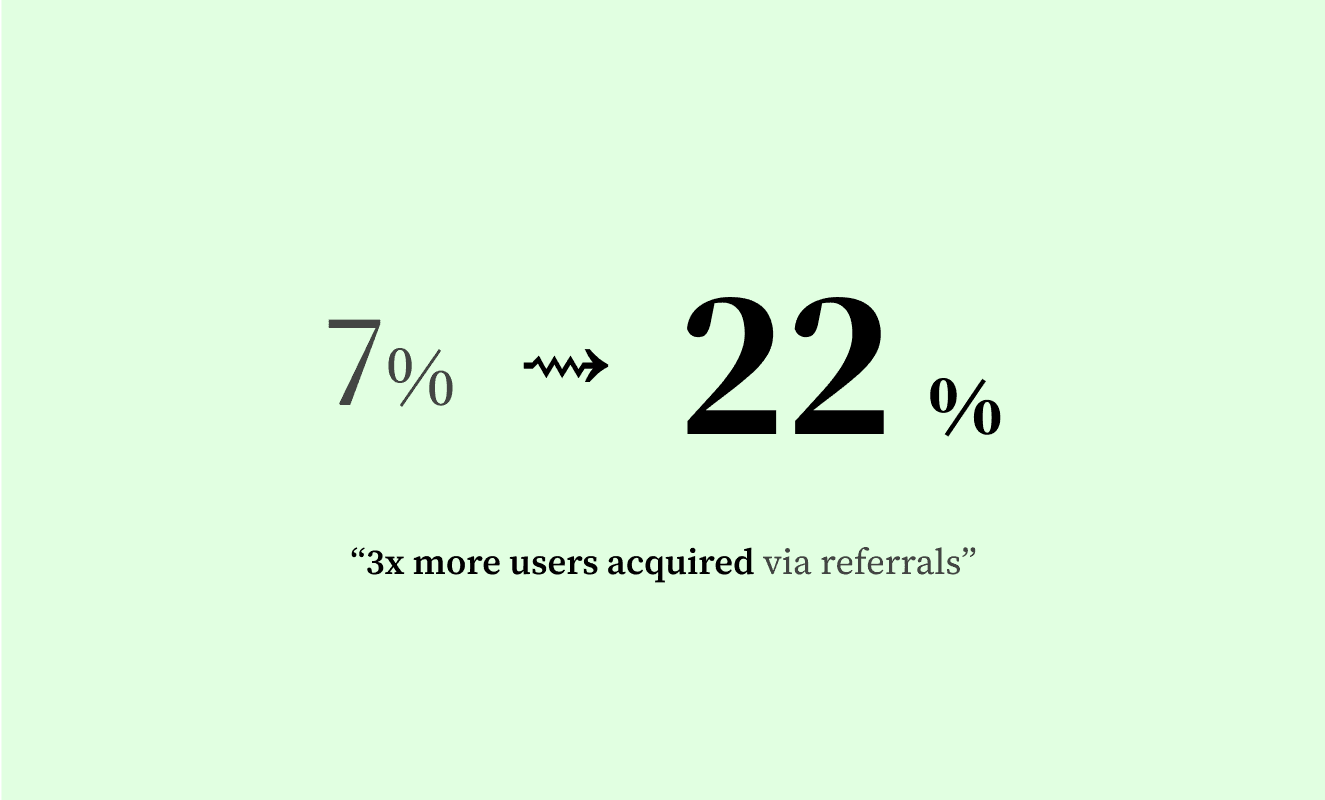
- Referrals tripled, and the channel’s share of new users went from 7% to 22%.
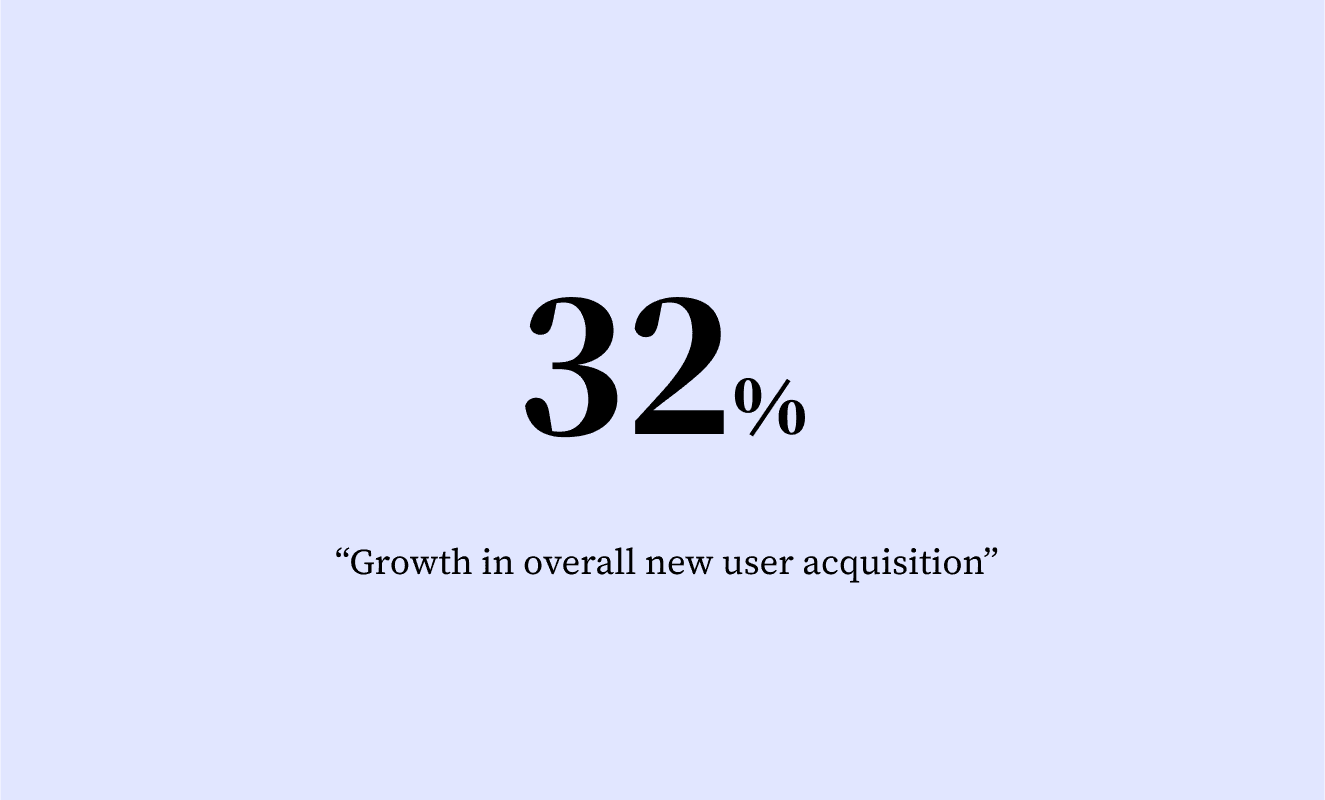
- 32% growth in overall new-user acquisition.
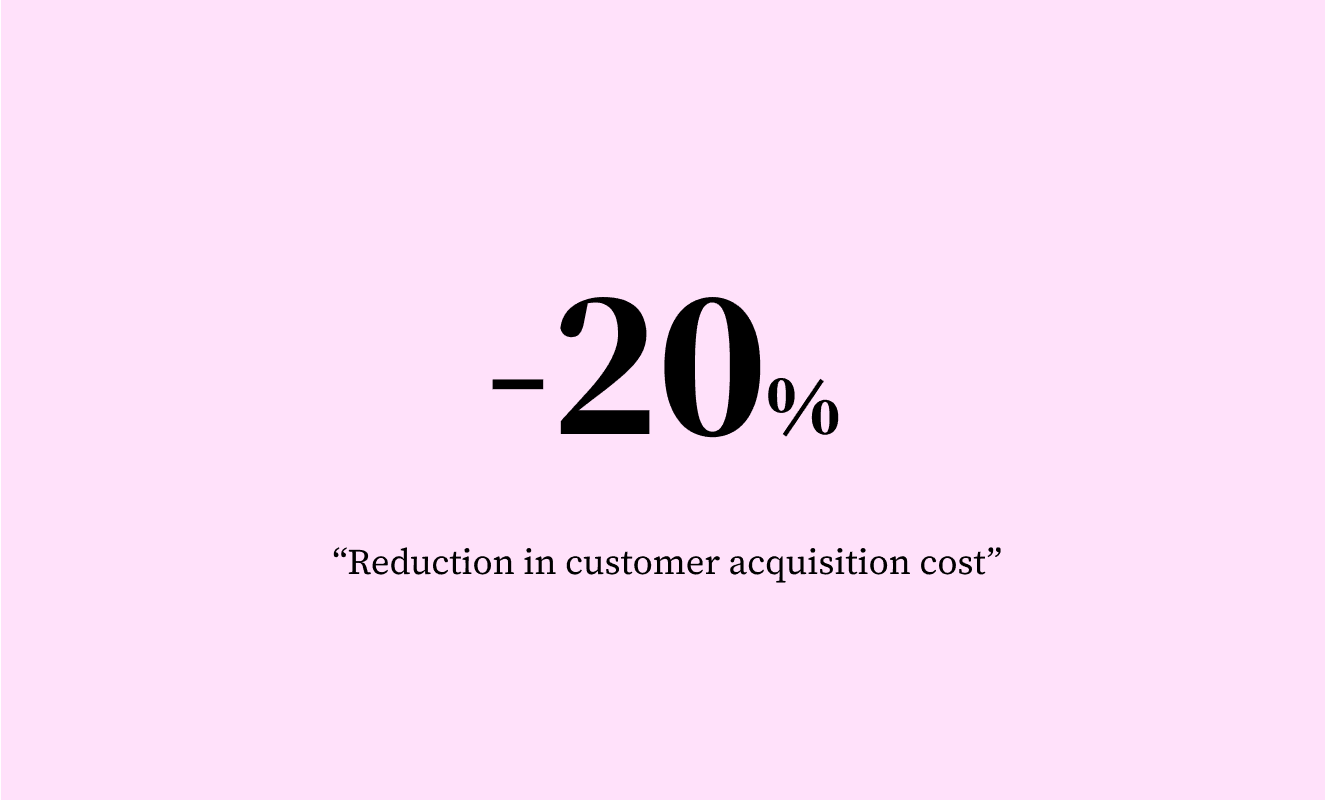
- Customer acquisition cost down 20%.
- A clearer, more rewarding loop that users actually came back to.
Thanks
The redesign couldn’t have happened without a diverse set of stakeholders: front-end and back-end engineers, QA, and product.
We couldn’t be happier with the result, and hope you reach Gold tier in life too.