Design System: Typography
Led the search for a new typeface to match Yulu’s evolving brand: modern, mobile-friendly, full of motion. Audited 40 typefaces and landed on one that now anchors the product’s visual language across every platform.
Yulu · 2023
Yulu’sidentitywasfragmentedacrossfivetypefaces.Irananaudit,groundedthecaseinresearchonhowtypeaffectsreadingandmemory,thenevaluated40candidatesagainstaclearrubric:tone,legibility,theIl1and8/Btests,languagesupport,weightrange.Ateamvotenarrowedittothree,andSatoshiwon:free,modern,multi-weight,brand-alignedandweb-optimised.It’salreadylive.
- Role
- Product Design
- Year
- 2023
- Head of Design
- Aryan Indraksh
What is it?
A typeface system for Yulu: one font, chosen through research and testing, to unify how the brand reads across the app, the web, and everything in between.
The challenge
For a mobility brand like Yulu, interacting with users across platforms, typography shapes perception. A redefined design language meant we needed a single typeface to unify our identity across every channel, one that reflected an evolving brand tone: modern, approachable, future-forward. And one that stayed consistent and scalable in a growth environment.
The approach
First, an audit of every typeface in use across Yulu’s ecosystem, which revealed a real lack of consistency. Then I reviewed research papers to build the case for why typography matters, and benchmarked the typefaces design leaders had adopted.
In parallel, I began evaluating fonts suggested by the team alongside those that met our criteria, a detailed audit and testing phase that ultimately led us to one typeface.
Audit & research
The audit surfaced five different fonts across various channels, with no consistency:
- Circular Standard: presentations and parts of the website.
- Avenir: the customer app.
- Open Sans: also in the customer app.
- Heebo: sections of the website.
- Mulish: scattered across some web components.
Then I reviewed research papers to build a strong case for why typography matters.
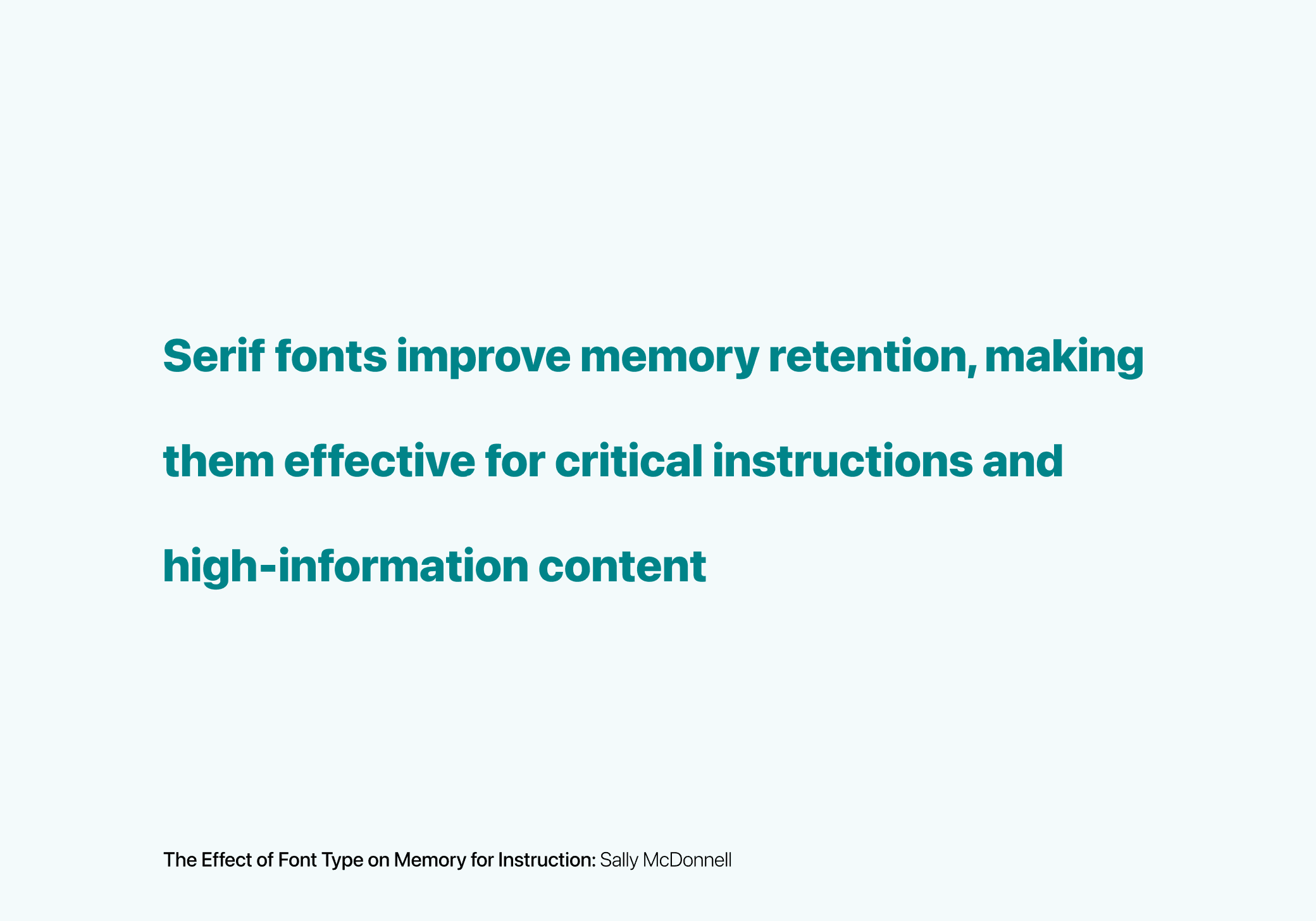
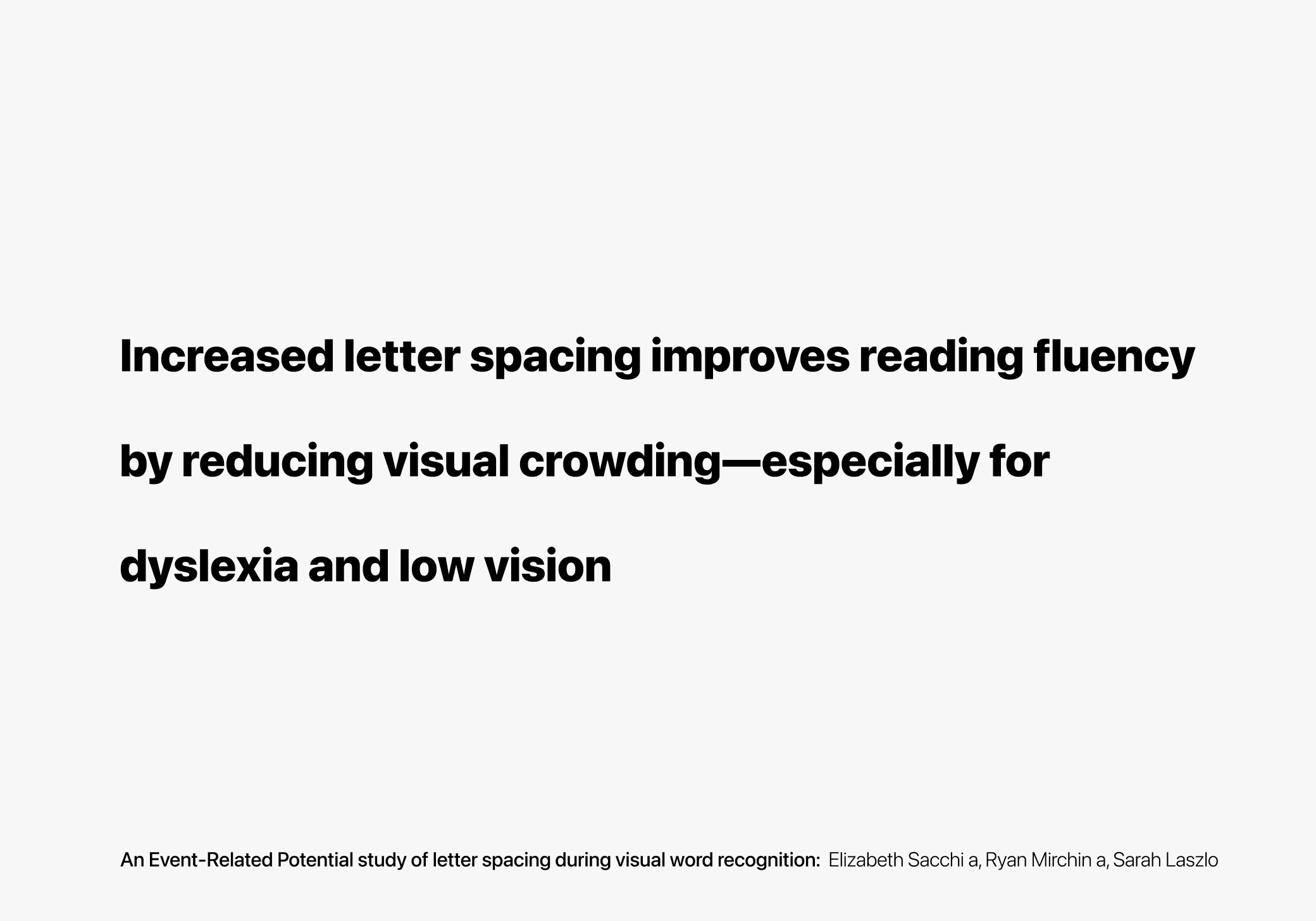
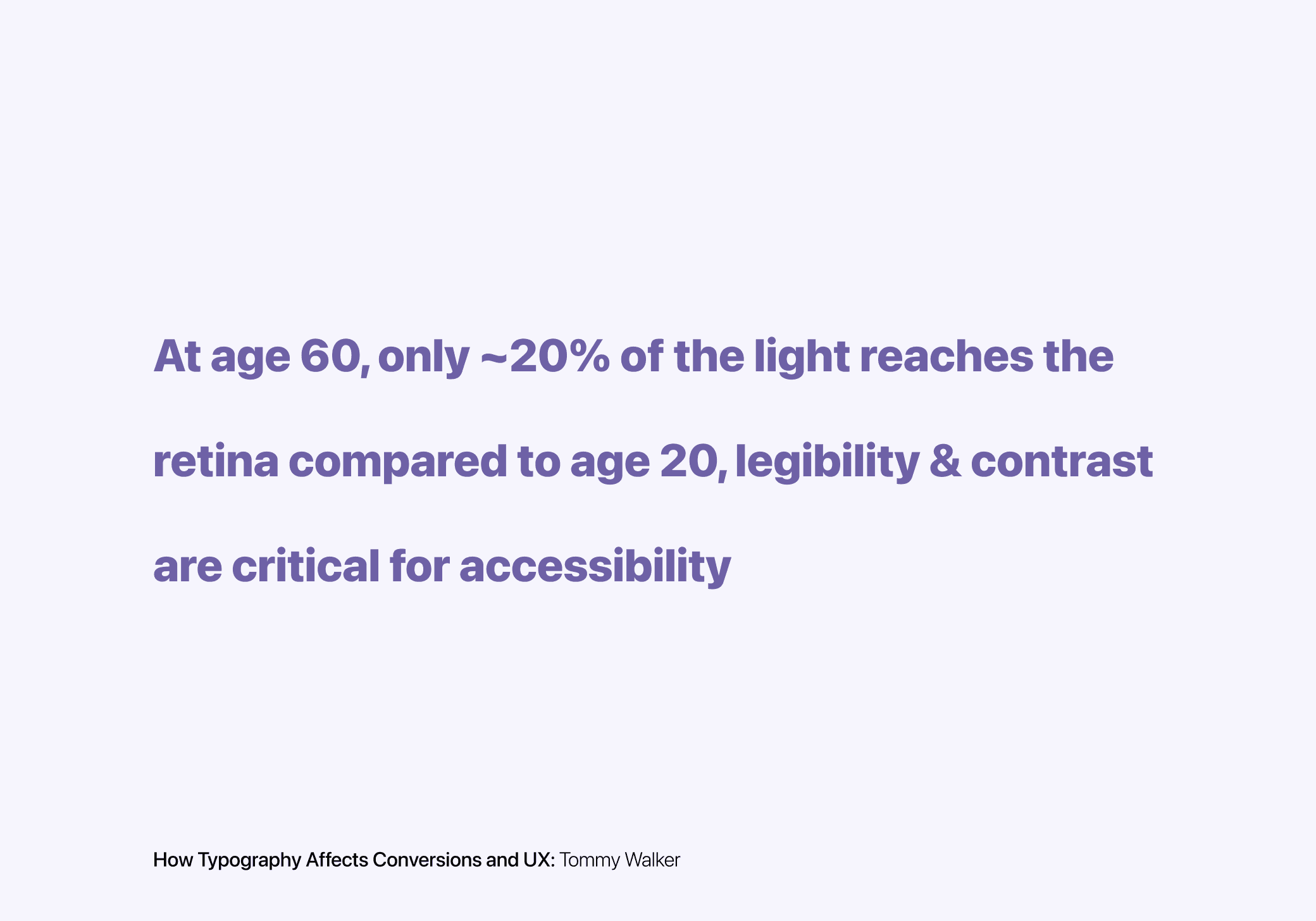
Research takeaways.
Evaluation methods
Circular Std was the team favourite, but Monotype’s licensing made it unviable long-term. So I widened the search, benchmarking typefaces from leading design teams like Airbnb’s Cereal and Netflix Sans, and scored candidates against a rubric:
- Suits Yulu’s tone.
- Legible, readable, contrasting.
- The Il1 test (capital I, lowercase l, number 1).
- The 8 and B test.
- Multi-language support.
- Contrast and weight range.
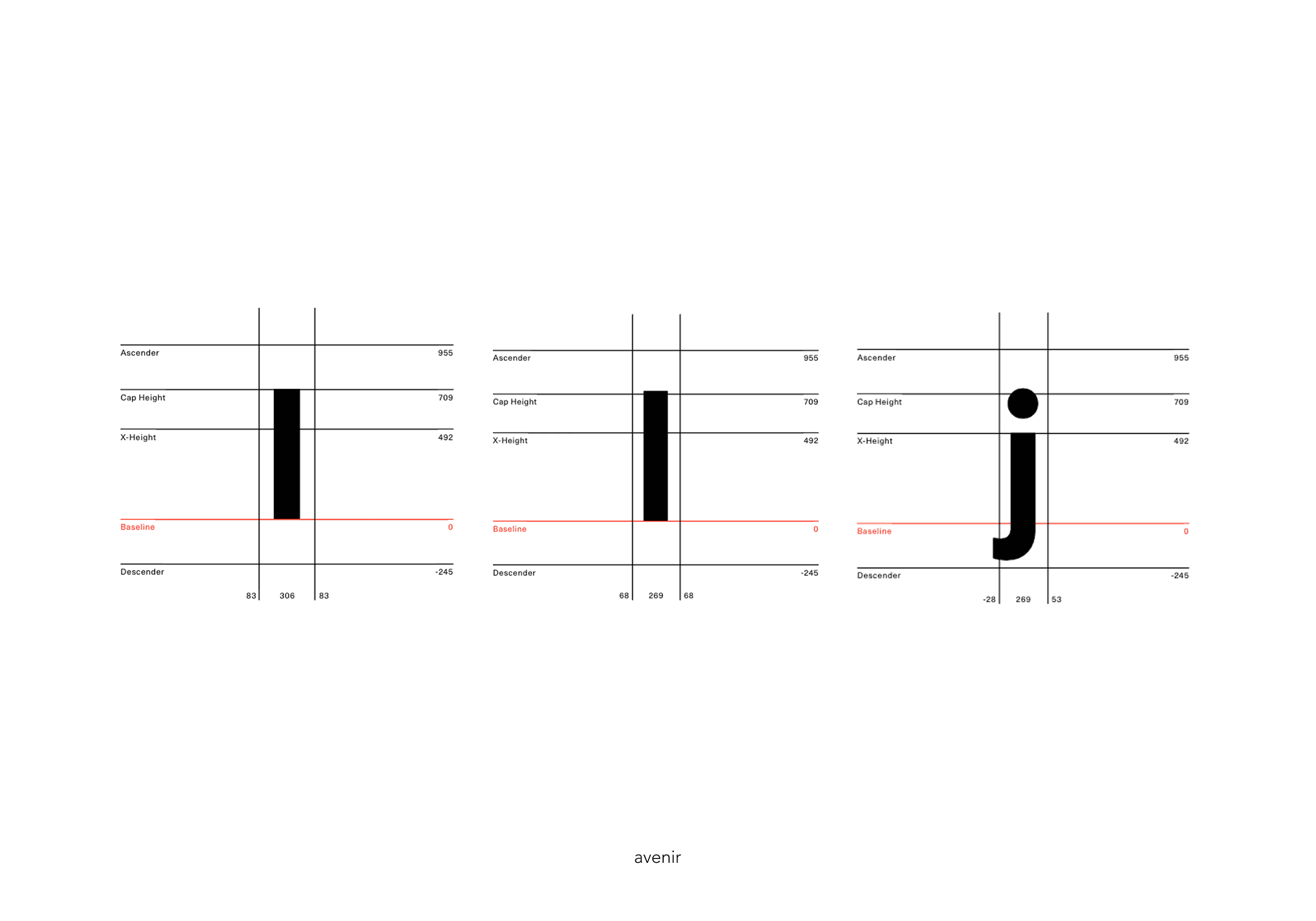
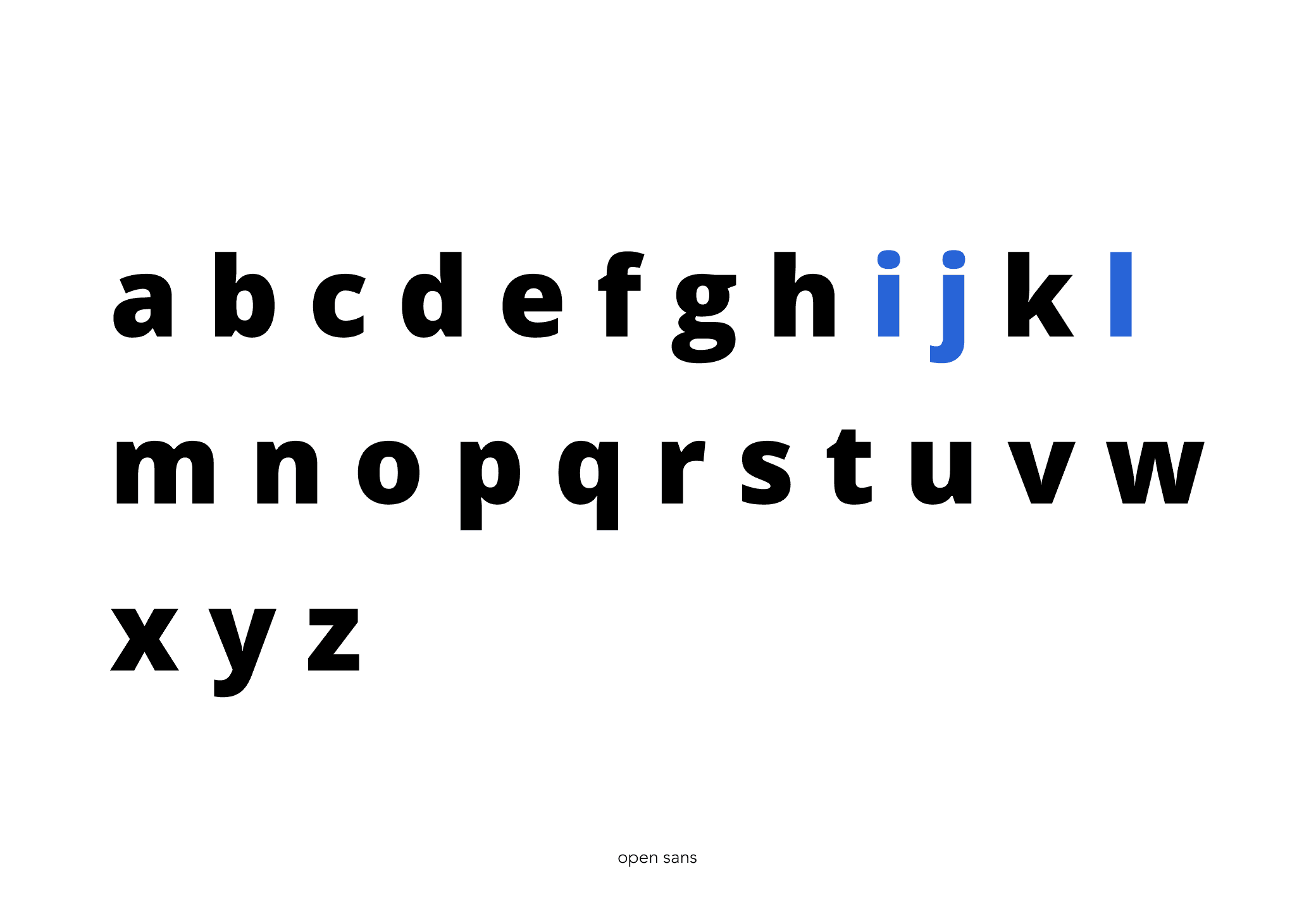
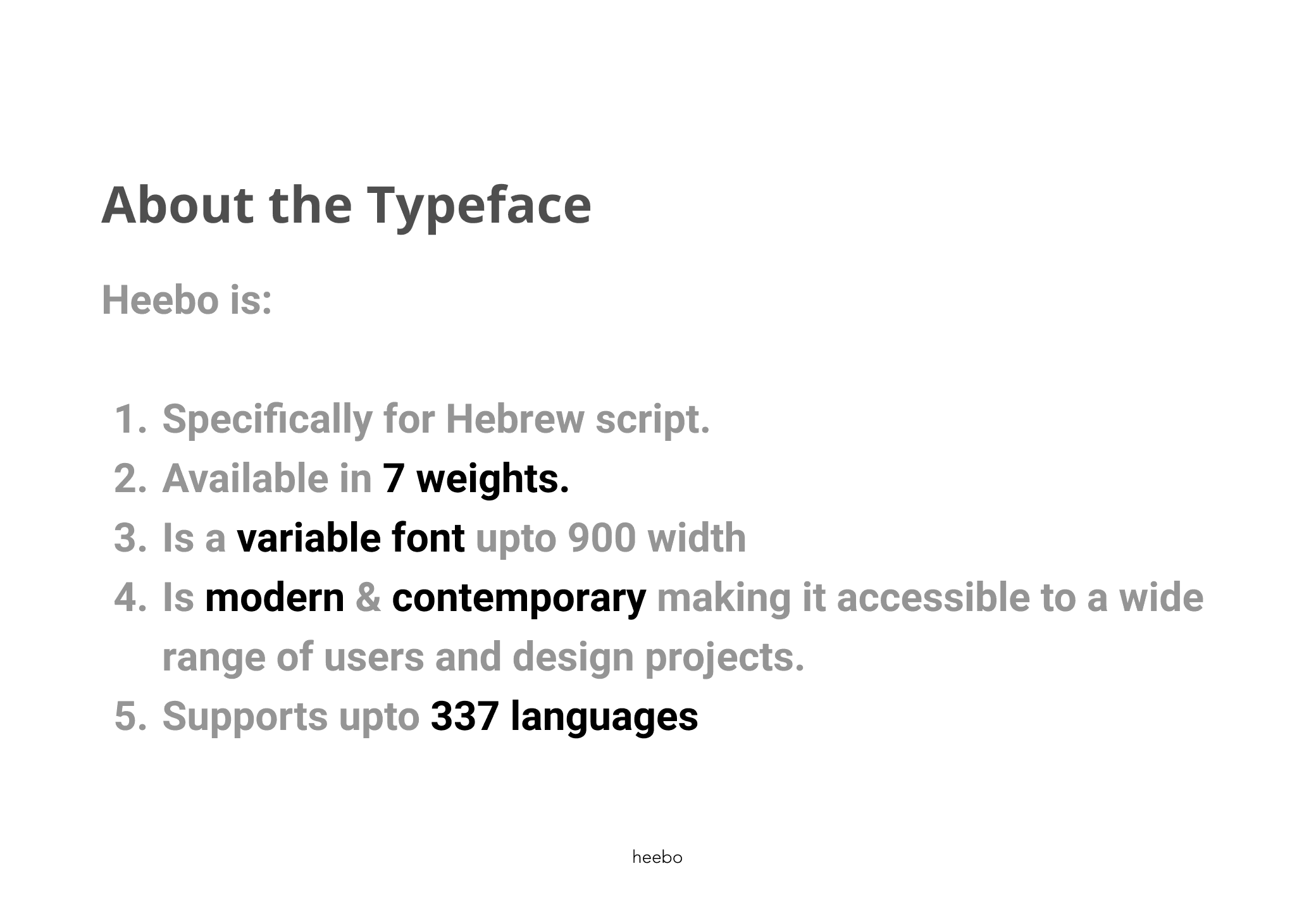
Measuring the existing typefaces.
Typefaces evaluated
Forty in all: Lexend, Atkinson Hyperlegible, Bitter, Raleway, Kulturista, Chap, Heebo, TT Commons, Greycliff, Visby Round, Lufga, Jeko, Haffer, GT Haptik, Gilroy, Aeonik, Averta, Poppins, Satoshi, Inter, Duplet Open, Suisse Int’l, and more.
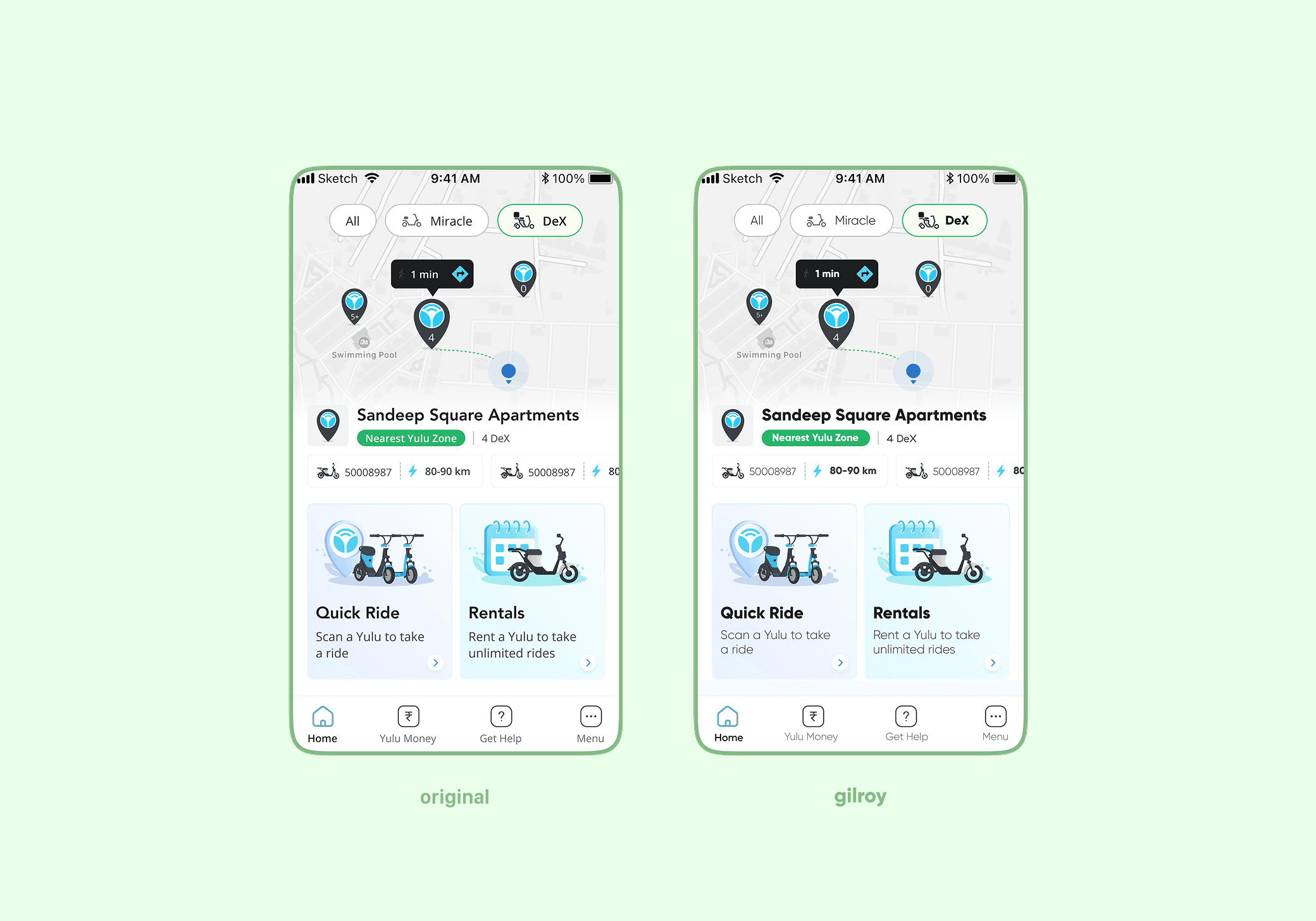
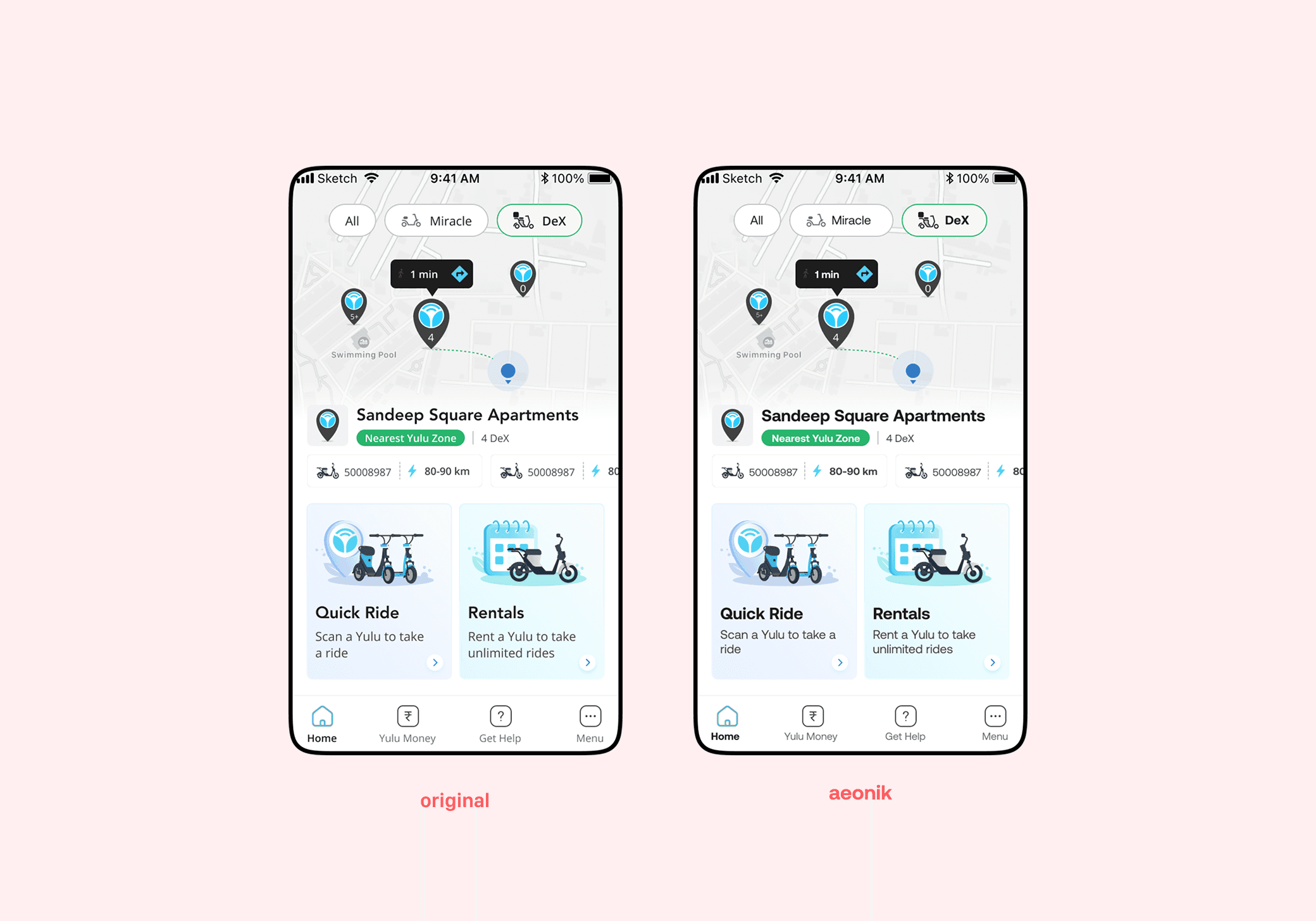
Gilroy and Aeonik, in use.
The shortlist
The team voted across every candidate and finalised three to evaluate further:
- Greycliff
- Satoshi
- Duplet Open
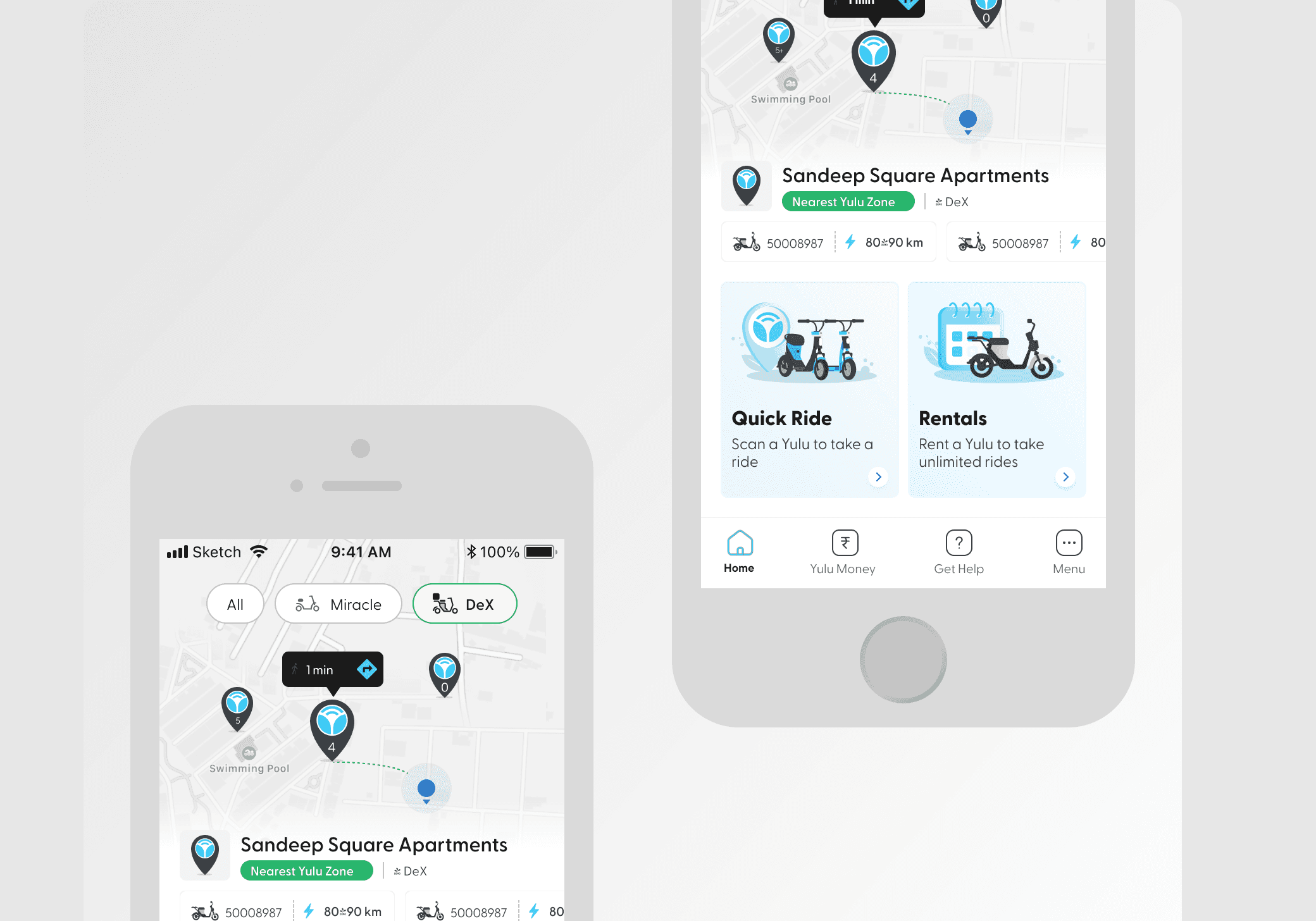
Greycliff and Duplet Open.
The typeface: Satoshi
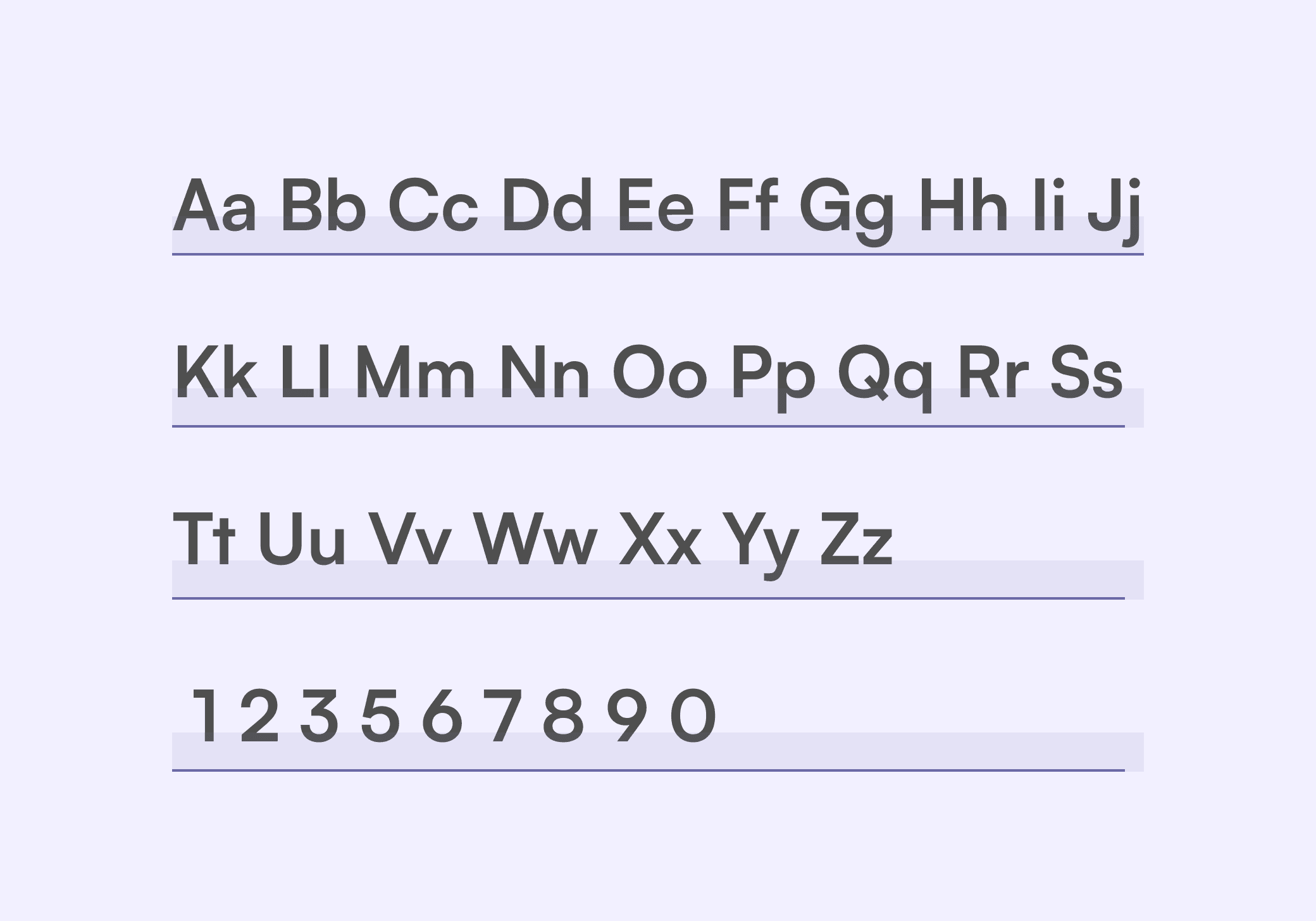
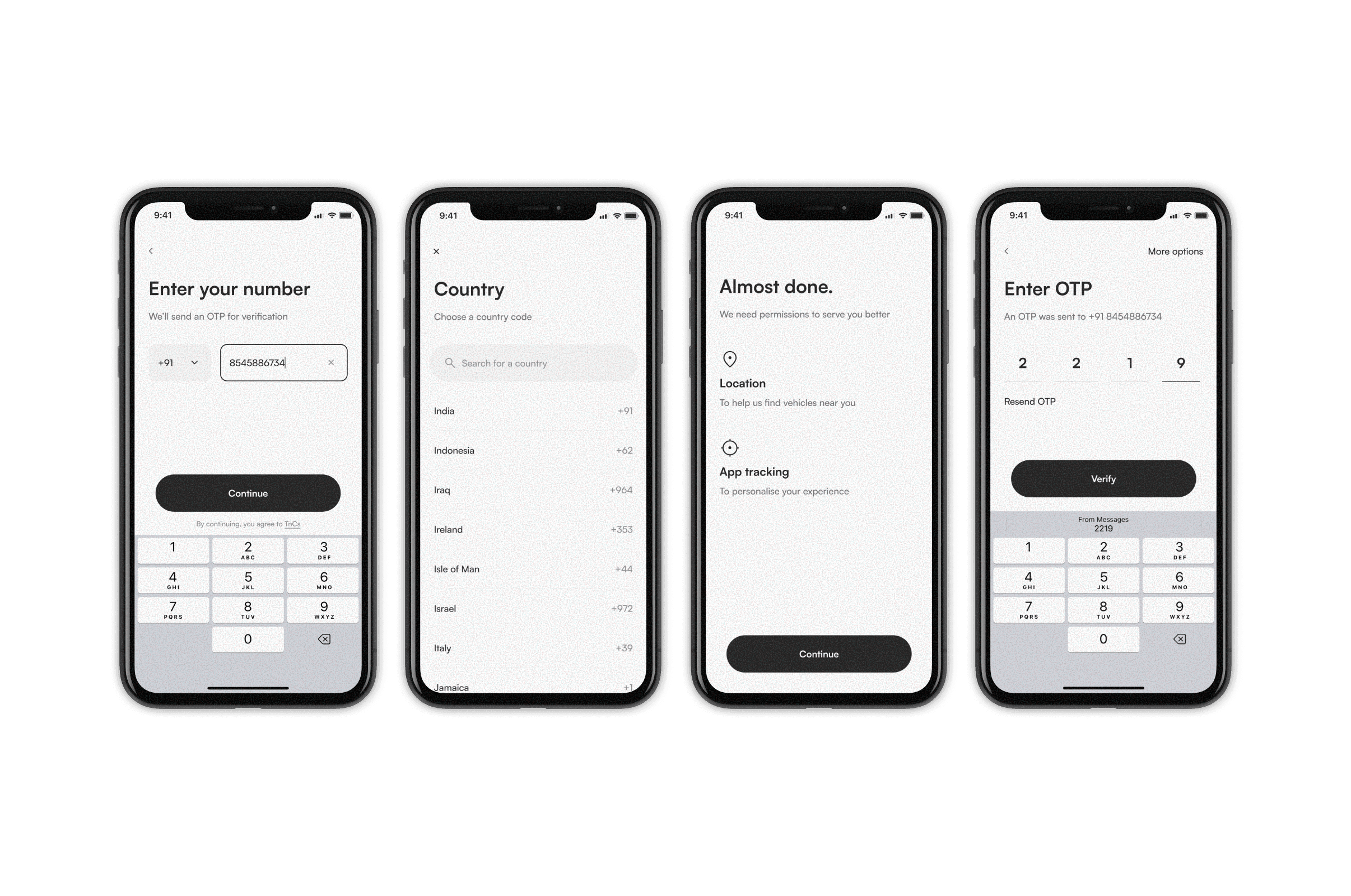
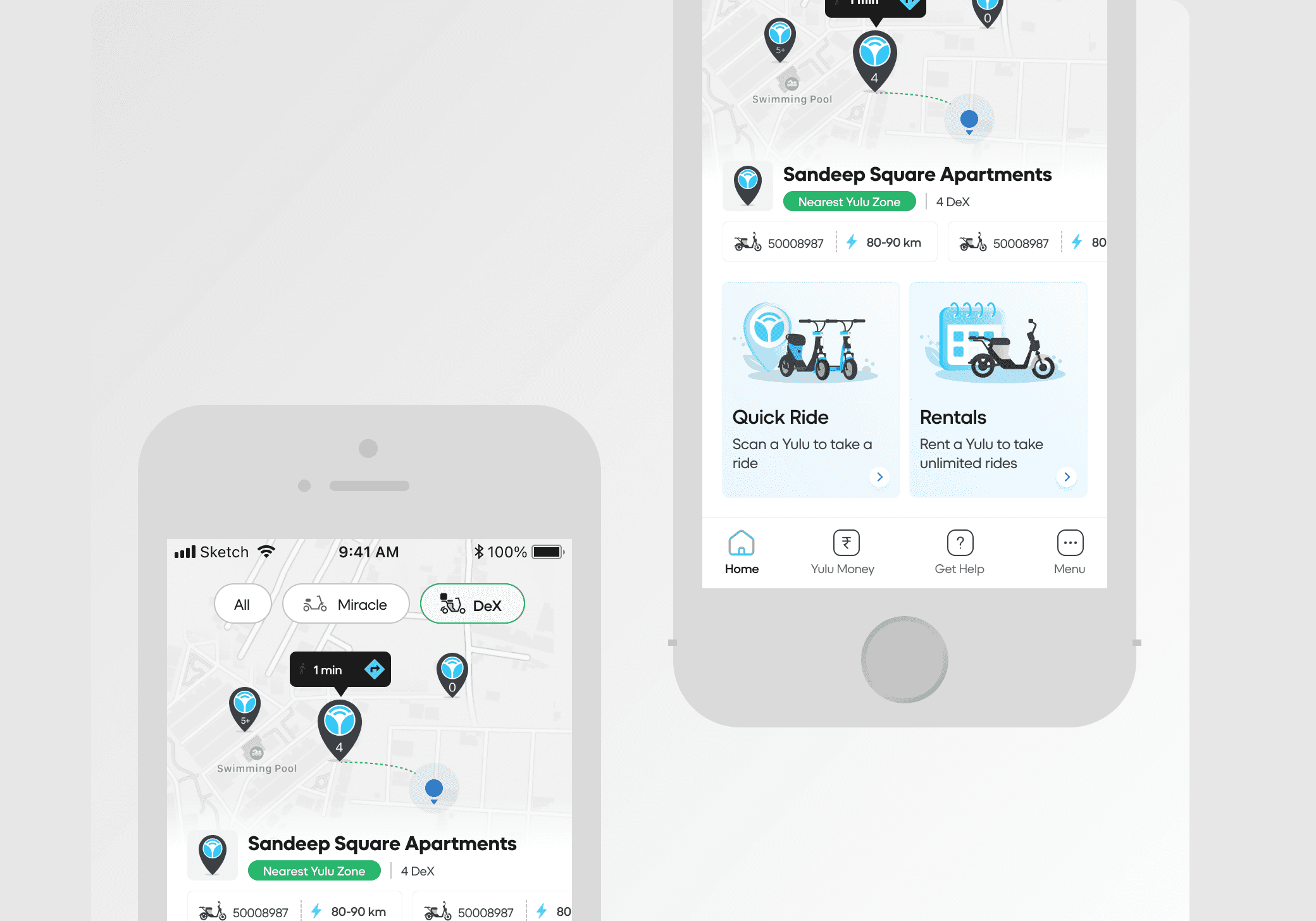
Satoshi across the app.
Why Satoshi
It’s already live. One typeface now anchors Yulu across the app, the web, and everything between.
- Free
- Modern and aesthetic
- Multi-weight
- Brand alignment
- Web optimised
- Team vote
Thanks
This typographic journey wouldn’t have been possible without my team: Arpitha, Vaishnavi, Amitesh, Atima and Aryan.
P.S. It’s already live across Yulu’s ecosystem.